954-719-7955
Managing Initial Discomfort: What to Expect When You Start Wearing Invisalign Aligners


Starting your smile journey is exciting. But if you just picked up your first set of aligners from an Invisalign Pompano Beach provider, you may be wondering why your mouth feels a little off. That is completely normal. Almost every patient goes through a short period of adjustment when they first begin wearing aligners. Knowing what to expect makes the process much easier to manage.
This guide walks you through the most common types of discomfort, why they happen, and what you can do to feel better fast. We will also cover what is normal versus what is not, so you know when to call your dentist.
Why Discomfort Happens in the First Place
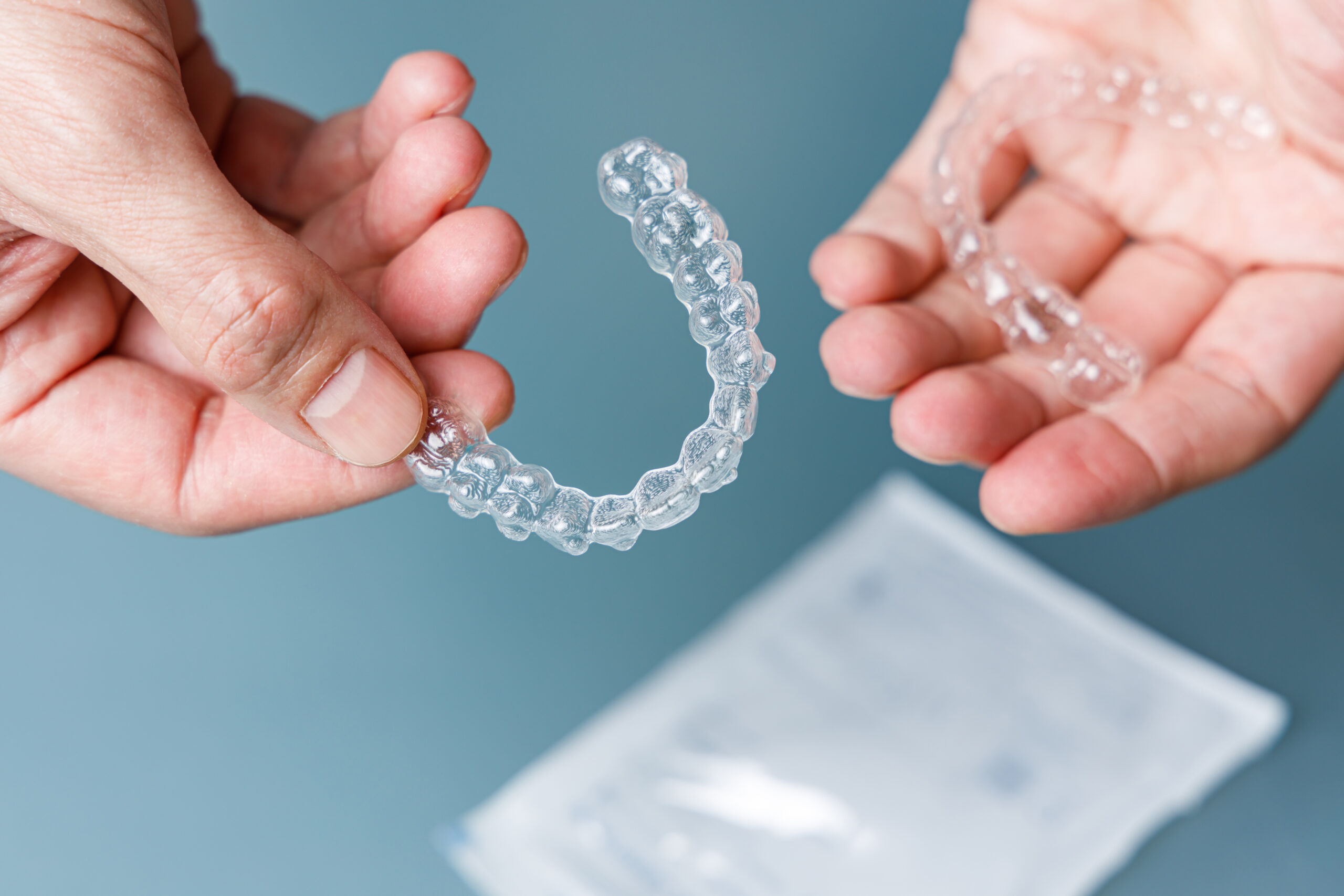
Clear aligners work by putting gentle, controlled pressure on your teeth. Each new tray is slightly different from the one before it. That difference is what moves your teeth over time. When you put in a new tray, your teeth feel that pressure right away. Your gums and the bone around your teeth need a little time to adjust.
Most patients describe it as tightness or pressure, not pain. It is the same kind of feeling you get after a workout when your muscles are adjusting. The good news is that this feeling usually fades within two to three days of wearing each new tray.
Common Types of Discomfort You May Notice
1. Pressure on the Teeth
This is the most common complaint, especially in the first 48 to 72 hours of each new tray. The pressure is a sign that the aligners are doing their job. It tends to be strongest right after you put in a new set and eases up quickly.
2. Soreness in the Gums
Your gums may feel tender along the edges where the aligners sit. This usually settles within a few days. Rinsing with warm saltwater can help soothe the tissue.
3. Irritation on the Tongue or Cheeks
The edges of new aligners can feel sharp or rough against the soft tissue inside your mouth. This often improves as the plastic warms up and as your mouth gets used to having the trays in. If a specific edge is causing a cut or sore, your dentist can smooth it out.
4. A Slight Lisp or Change in Speech
Some patients notice that their speech sounds a little different at first. This is because your tongue has to adjust to the extra space the aligners take up. Most people find their speech returns to normal within one to two weeks of consistent wear.
5. Difficulty Eating
Aligners are meant to be removed when you eat, so you should not be biting into food with them in. That said, your teeth may feel sensitive right after you take the trays out during the first few days of a new set. Softer foods can help during this adjustment window.
How Long Does the Discomfort Last?
For most patients, the worst discomfort passes within two to three days of starting a new tray. The first tray often feels the most uncomfortable simply because everything is new. By the time you are three or four trays in, most patients say they barely notice the change when they switch to a new set.
The total treatment time varies by case. A typical Invisalign Pompano Beach treatment plan runs anywhere from six to eighteen months. Throughout that time, you will switch to a new tray every one to two weeks. Each switch may bring a brief adjustment period, but it gets easier as your teeth progress.
Simple Ways to Manage Discomfort at Home
There are several easy things you can do to keep yourself comfortable during the adjustment period.
• Switch to a new tray at night. If you put in a fresh tray before bed, your body adjusts while you sleep. You may wake up with most of the pressure already behind you.
• Use over-the-counter pain relief. A standard dose of ibuprofen or acetaminophen, taken as directed, can take the edge off. Ask your dentist before taking anything if you have health concerns.
• Rinse with warm saltwater. Mix half a teaspoon of salt in a glass of warm water. Swish for 30 seconds. This helps calm irritated gum tissue.
• Eat soft foods for the first couple of days. Yogurt, mashed potatoes, scrambled eggs, and soups are easy on tender teeth.
• Use dental wax on rough edges. If a specific spot is irritating your cheek or tongue, a small piece of dental wax over that area can help until the edge smooths out.
• Stay consistent with wear time. Aligners need to be worn 20 to 22 hours a day. Taking them out more often can slow your progress and make the adjustment period feel longer.
What Is Not Normal: When to Call Your Dentist
Most discomfort during Invisalign treatment is mild and short-lived. But there are some signs that mean you should reach out to your provider.
• Sharp or intense pain that does not improve after three to four days
• A tray that does not seem to fit properly or sits unevenly on your teeth
• A cut or sore inside your mouth that is getting worse, not better
• A cracked or broken aligner
• Your teeth do not seem to be tracking (fitting snugly) with the tray
Do not try to fix a poorly fitting tray on your own. Your Invisalign Pompano Beach provider can assess the fit and make any adjustments needed to keep your treatment on track.
Caring for Your Aligners Properly
Good aligner hygiene makes a big difference in how comfortable your trays feel. Here are the basics.
• Rinse your aligners with cool water every time you remove them. Avoid hot water as it can change the shape of the plastic.
• Brush your aligners gently with a soft toothbrush and a small amount of clear, unscented soap. Avoid toothpaste as it can be abrasive.
• Brush and floss your teeth before putting aligners back in. Food or plaque trapped under a tray can cause tooth decay.
• Store aligners in their case when not in use. Never wrap them in a napkin or leave them on a table.
Conclusion
Starting with aligners takes a short adjustment period, but for most patients, any discomfort is mild and passes quickly. The key is knowing what to expect so that you are not caught off guard. Pressure and tenderness in the first few days of a new tray is your body responding to movement. That is the whole point.
With the right habits and a little patience, most patients find they adjust faster than they expected. And the results, straighter teeth without metal braces, make it worth the effort.
If you are ready to take the first step or if you have questions about what to expect, schedule a consultation with a trusted Invisalign Pompano Beach provider. A one-on-one conversation with a dental professional will give you a clear picture of what your treatment plan will look like and what to prepare for along the way.
Frequently Asked Questions
Q1: Is it normal for my teeth to feel loose during Invisalign treatment?
A slight looseness can happen as your teeth are actively moving. This is normal and part of the process. Your teeth will stabilize once treatment is complete and you are wearing your retainer. If the feeling is severe or worrying, let your provider know.
Q2: How long does the discomfort last with each new tray?
Most patients feel the most pressure in the first 48 to 72 hours of a new tray. After that, the feeling tends to ease considerably. Switching your tray at night can help you sleep through the initial adjustment.
Q3: Can I take out my aligners if they hurt too much?
Aligners need to be worn 20 to 22 hours a day to work correctly. Taking them out for longer periods can slow your treatment and extend the overall timeline. If discomfort is severe, contact your dentist rather than simply removing the trays.
Q4: Will I have a lisp with Invisalign?
Some patients notice a slight change in how they speak at first. This usually goes away within one to two weeks as your tongue adjusts. Reading out loud or practicing speaking can help speed up this adjustment.
Q5: What foods should I avoid during Invisalign treatment?
You should remove your aligners before eating anything. There are no food restrictions with clear aligners the way there are with traditional braces. However, during the first few days of a new tray, softer foods may feel more comfortable since your teeth can be tender.
Q6: Can children or teenagers wear Invisalign?
There is a version designed specifically for younger patients called Invisalign Teen. It includes compliance indicators and extra replacements in case a tray is lost. Your provider can tell you if this option is a good fit based on your child’s age and the stage of their dental development.
Q7: How often do I need to visit the dentist during treatment?
Most Invisalign patients check in with their provider every six to eight weeks. These visits allow your dentist to check progress, make any needed adjustments, and give you your next sets of trays. Some providers in the Pompano Beach area also offer virtual check-ins for routine progress reviews.
Q8: What happens if I lose or break an aligner?
Contact your nearest Invisalign provider right away. They can advise whether to go back to your previous tray, move ahead to the next one, or order a replacement. Do not go without a tray for more than a day or two if you can help it, as your teeth may start to shift back.