954-719-7955
How to Avoid Stains During Orthodontic Treatment

Starting orthodontic treatment is a big step. Whether you or your child just got braces or aligners, you want that final smile to look its best. But here is something many patients do not think about until it is too late: staining.
Stains during treatment can affect not just your teeth, but also your brackets, wires, and aligner trays. The good news is that most staining is completely avoidable with the right habits. Your orthodontist will always give you a care guide, but this post goes deeper so you know exactly what to watch out for and what to do daily.
Why Staining Happens With Braces and Aligners
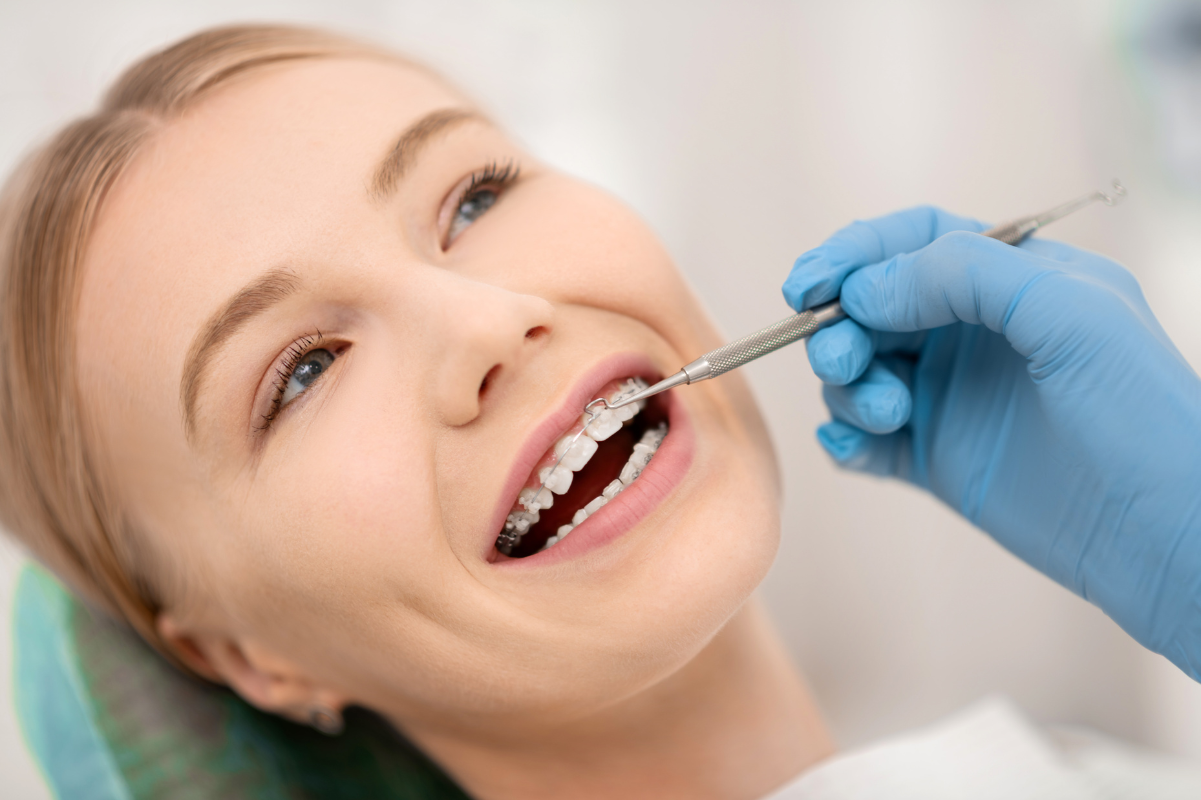
When you have braces, food and drinks can get trapped around the brackets and wires. Over time, leftover particles break down and create plaque. Plaque holds pigment from colored foods and drinks. The result is yellowing or white spots on your teeth once the braces come off.
With clear aligners, the trays themselves can pick up color from certain foods and drinks if you wear them while eating or drinking anything other than plain water.
Both problems are easy to prevent once you understand what causes them.
Foods and Drinks That Cause the Most Staining
Knowing what to avoid is half the battle. Here are the biggest culprits:
Drinks:
- Coffee and tea
- Red wine
- Soda and sports drinks
- Fruit juices (especially dark ones like grape or pomegranate)
Foods:
- Tomato-based sauces
- Curry and turmeric
- Berries (blueberries, blackberries, cherries)
- Soy sauce and balsamic vinegar
- Beets
This does not mean you can never have these. It means you need to be careful and clean your teeth (and aligners) right after.
Daily Habits That Make a Real Difference
Brush After Every Meal
With traditional braces, food gets caught easily. Brush within 30 minutes of eating. Use a soft-bristle toothbrush and angle it so you clean both above and below the brackets. An electric toothbrush can help reach spots a manual one might miss.
Floss Every Single Day
Flossing with braces takes a little more effort, but it is not optional. Use a floss threader or an orthodontic flosser to get between each tooth and under the wire. This removes food and plaque before it turns into a stain or causes decay.
Rinse With Water Right After Eating or Drinking
If you cannot brush right away, rinse your mouth with water immediately after eating or drinking anything. This flushes away most of the pigment before it has a chance to settle.
Remove Aligners Before Eating or Drinking
If you are using clear aligners, always take them out before you eat or drink anything except water. Even light-colored juices can stain the trays. Stained trays look bad and, in some cases, can transfer color to your teeth over time.
Clean Your Aligners Properly
Rinse your aligners every time you take them out. Once a day, clean them with a soft toothbrush and clear, unscented soap. Never use toothpaste as it is too abrasive and can cause tiny scratches that hold staining agents.
What About Whitening During Treatment?
Many patients ask their orthodontist about whitening while treatment is ongoing. In most cases, whitening is not recommended during active treatment. Here is why:
With traditional braces, whitening products cannot reach the spots covered by brackets. When the braces come off, those covered areas will be a different shade from the rest of the tooth.
With aligners, some whitening toothpastes are fine for daily use, but whitening strips or trays should only be used under the guidance of your orthodontist. Your provider will tell you what is safe and what will give you even results after treatment ends.
The Role of Regular Check-Ups in Preventing Stains
Your scheduled visits are not just for adjustments. They are also when your dental team checks on your oral hygiene and catches early signs of plaque buildup or decalcification (white spots that form before full staining).
If you are searching for an orthodontist near me and have not yet started treatment, choosing a practice that does thorough check-ins at every visit makes a real difference in your final results. The Pompano Beach and Broward County area has many dental offices, but regular professional cleanings and close monitoring between orthodontic visits set the best practices apart.
Lifestyle Tips That Help Long-Term
- Use a straw when drinking coffee, tea, or colored juices. This limits contact between the liquid and your teeth.
- Drink water throughout the day. It keeps your mouth clean and reduces acid buildup.
- Avoid smoking or vaping. Tobacco causes deep, stubborn staining that is very hard to remove.
- Eat crunchy vegetables like carrots and celery. They act as natural scrubbers for your teeth.
- Limit sugary snacks. Sugar feeds the bacteria that create plaque and staining.
Signs You Should Bring Up at Your Next Visit
Sometimes staining starts before you notice it clearly. Watch for:
- White chalky spots on your teeth (early decalcification)
- Yellow or brown discoloration around the brackets
- Discolored aligner trays that do not clean up after washing
- Bleeding or swollen gums (a sign of plaque buildup)
If you notice any of these, bring it up at your next appointment. Your orthodontist can adjust your cleaning routine or bring in additional support before the problem gets worse.
Conclusion
Avoiding stains during orthodontic treatment comes down to consistent daily habits, smart food choices, and staying on top of your appointments. The effort you put in during treatment directly affects the smile you walk away with at the end.
If you are currently in treatment or thinking about getting started, do not wait until staining becomes a problem. Talk to your provider early and ask specific questions about your diet, your cleaning routine, and any whitening options for after treatment ends.
If you are looking for an orthodontist near me in the Pompano Beach area, schedule a consultation with Light House Point Orthodontics. Our team works closely with every patient to make sure your treatment plan includes the hygiene support you need from day one all the way to your final result. We are proud to serve patients across Broward County and nearby communities, offering personalized care that goes beyond just straightening teeth.
Reach out today and take the first step toward a smile you will want to show off.
Frequently Asked Questions
Q: Can I drink coffee with braces?
A: You can, but it is one of the top causes of staining. If you do drink coffee, rinse your mouth with water right after. Brush as soon as you can. Using a straw also helps reduce direct contact with your teeth and brackets.
Q: How often should I clean my clear aligners?
A: Rinse them every time you take them out and do a full clean with a soft toothbrush and mild soap at least once a day. Never soak them in mouthwash or use colored soap as both can discolor the trays.
Q: Will white spots go away after braces come off?
A: Mild white spots sometimes fade over time with good hygiene and fluoride use. Deeper spots may need professional treatment. The best approach is to prevent them from forming in the first place.
Q: Is it safe to use whitening toothpaste during treatment?
A: Most standard whitening toothpastes are fine for daily use with braces or aligners. Avoid highly abrasive formulas. Ask your provider what they recommend for your specific situation.
Q: Why do my teeth look more yellow since I started wearing aligners?
A: It could be staining from food or drinks consumed while wearing the trays, or it may just be contrast with the clear plastic making your teeth appear less bright. Clean both your teeth and trays daily and avoid wearing aligners while drinking anything colored.
Q: How do I clean around my brackets properly?
A: Use a soft-bristle toothbrush at a 45-degree angle above and below each bracket. An interdental brush (a small cone-shaped brush) is also very helpful for cleaning right around the bracket base where plaque tends to build up.
Q: Do I need professional cleanings more often during orthodontic treatment?
A: Yes. Most orthodontic patients benefit from scheduling a dental cleaning every three to four months instead of the standard six. This helps remove buildup that regular brushing cannot fully address and lets your dental team check for early signs of staining or decay.
Q: Can staining during treatment be reversed?
A: Surface staining is often removed with a professional cleaning. Deeper staining or white spot lesions from decalcification are harder to treat and may require procedures like microabrasion or bonding after treatment ends. Prevention is always the better path.