954-719-7955
Can You Start Invisalign If You Have Cavities, Gum Disease, or Missing Teeth?

Quick Answer: Yes, you may be able to start Invisalign if you have cavities, gum disease, or missing teeth. However, these conditions must be checked before treatment begins. Cavities usually need to be filled, active gum disease must be treated, and missing teeth may require a special plan to guide the remaining teeth. Your orthodontist will check your teeth, gums, and bite to decide if clear aligners are a safe choice.
You may want straighter teeth but feel unsure about starting treatment because your mouth is not in perfect shape. Perhaps you have a cavity that needs attention, gums that bleed when you brush, or a missing tooth that has left a gap.
These concerns do not always rule out clear aligner treatment. Many patients can still work toward a straighter smile, but the order of care matters.
Before starting Invisalign, it is important to know which dental problems need treatment first, which can be managed during orthodontic care, and how they may affect your results.
For patients considering Invisalign in Pompano Beach, Lighthouse Point Orthodontics can help assess their orthodontic needs and determine whether clear aligners fit their dental health and treatment goals.
Why Your Dental Health Matters Before Starting Treatment
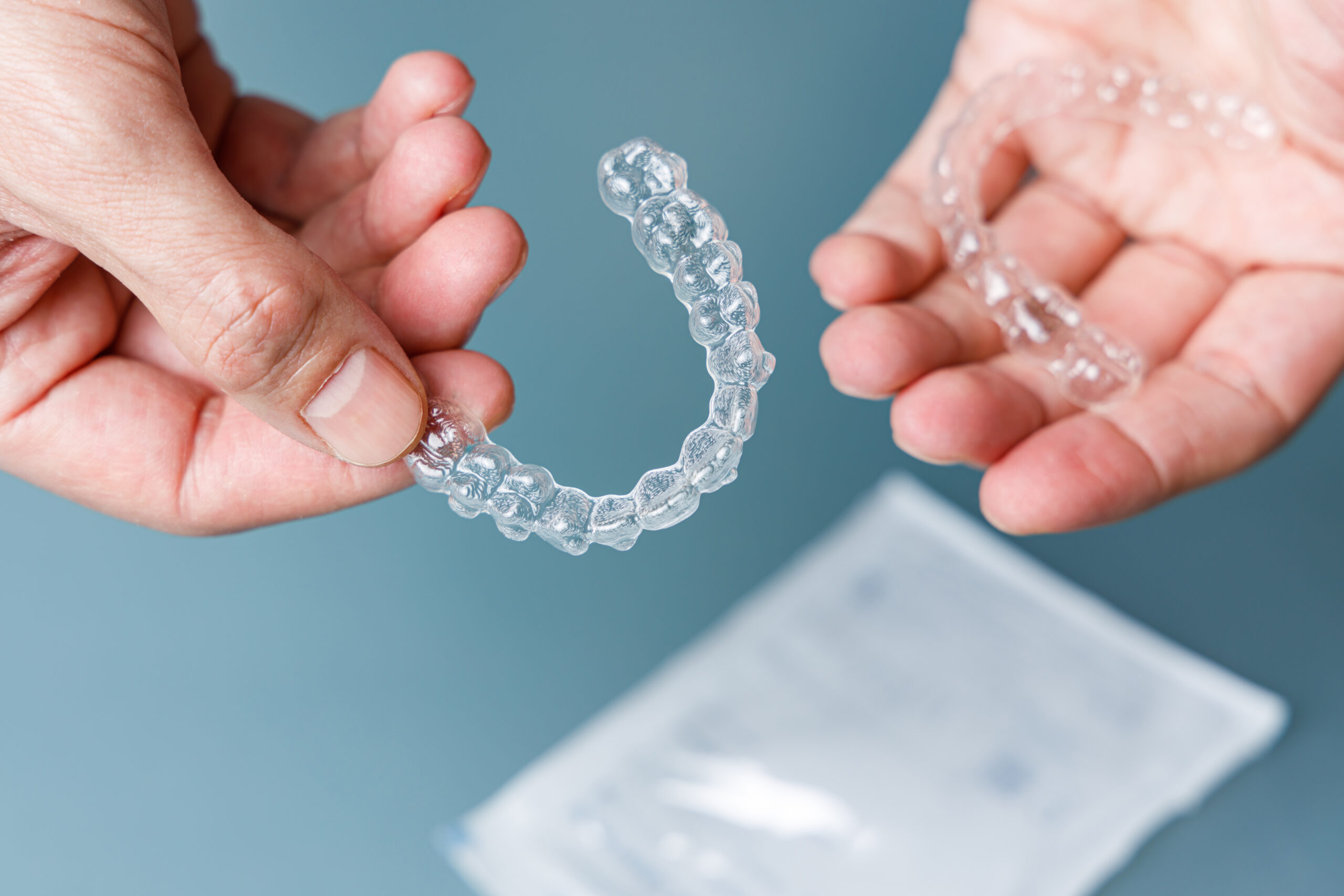
Invisalign uses a series of clear plastic trays to move teeth into planned positions. Each set applies gentle pressure to guide certain teeth over time.
For this movement to happen safely, your teeth and the tissues that support them must be healthy.
Think of it this way: moving a healthy tooth is different from moving a tooth affected by untreated decay or gum infection. Orthodontic pressure cannot repair these problems. In some cases, it may make existing issues harder to manage.
Before treatment, an orthodontist may check:
- Tooth health: Are there cavities, cracks, or damaged fillings?
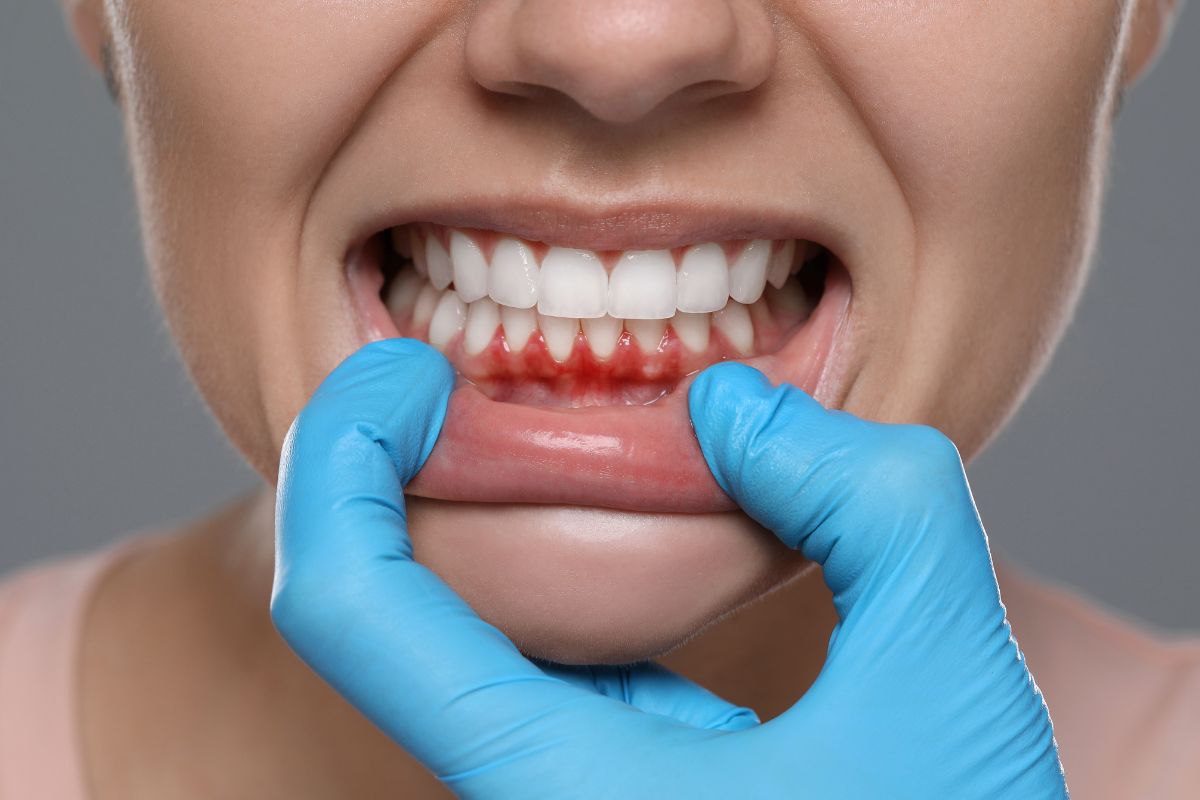
- Gum health: Are the gums swollen, sore, or bleeding?
- Bone support: Is there enough bone around the teeth to support movement?
- Missing teeth: Are there gaps that affect your bite or treatment plan?
- Bite alignment: Do your upper and lower teeth meet properly?
- Daily cleaning habits: Can you keep your teeth and aligners clean?
These checks help determine whether treatment can begin right away or whether other dental care should come first.
Can You Get Clear Aligners If You Have Cavities?
Yes, but untreated cavities should usually be treated before you start wearing aligners.
A cavity is a damaged area of a tooth caused by decay. It can start small, but it may spread deeper if left untreated. Some cavities cause pain or sensitivity, while others remain unnoticed until a dental exam.
Why Cavities Need Attention First
Clear aligners cover the teeth for much of the day. Patients usually wear them for 20 to 22 hours daily and remove them for meals, drinks other than water, and oral hygiene.
If food particles and harmful bacteria remain on the teeth, wearing aligners over them can make it harder to manage decay. Poor cleaning habits can also raise the risk of new cavities during treatment.
Untreated decay may lead to:
- Tooth sensitivity when eating or drinking.
- Pain while chewing.
- Further damage to the tooth.
- A need for a larger filling or crown.
- Infection if decay reaches the inner part of the tooth.
What Happens Before Invisalign Treatment?
Your dentist will assess the cavity and recommend the right treatment. Depending on its size, this may include:
- Small cavities: A filling may be enough to restore the damaged area.
- Larger cavities: The tooth may need a crown or another form of repair.
- Deep decay: Root canal treatment may be needed if the pulp inside the tooth is infected or badly damaged.
Once the tooth is treated and stable, your orthodontist can assess how the restoration may affect the fit of your aligners.
Important: New fillings or crowns can change the shape of a tooth. Your orthodontist should know about planned dental work so the aligner design can account for it.
Can You Start Treatment If You Have Gum Disease?
You should not begin active orthodontic treatment while gum disease is uncontrolled.
Gum disease affects the tissues and bone that hold your teeth in place. It often starts as gingivitis, which causes red, swollen, or bleeding gums. Without care, it can develop into periodontitis, a more serious condition that can damage the bone around your teeth.
Why Gum Disease Can Affect Tooth Movement
Teeth do not sit directly in the jawbone. They are held in place by supporting tissues that allow small, controlled changes in position.
When gum disease damages these tissues, teeth may become loose or shift on their own. Applying orthodontic pressure before the infection is controlled can increase the risk of further damage.
Watch for these signs:
- Gums that bleed during brushing or flossing.
- Red or swollen gums.
- Ongoing bad breath.
- Gums that pull away from the teeth.
- Teeth that feel loose.
- Pain or discomfort while chewing.
What Should You Do Before Starting?
Your general dentist or periodontist may recommend a deep cleaning, also called scaling and root planing, to remove plaque and hardened deposits below the gumline.
After treatment, your gums need time to heal. Your dental team will check whether the infection is under control and whether the supporting bone and tissues are stable.
Patients with a history of gum disease may still qualify for clear aligners. They may need closer checkups, careful monitoring, and a strong home cleaning routine throughout treatment.
The goal is not just to straighten your teeth. It is to move them without putting your gum health at risk.
Can You Get Invisalign If You Have Missing Teeth?
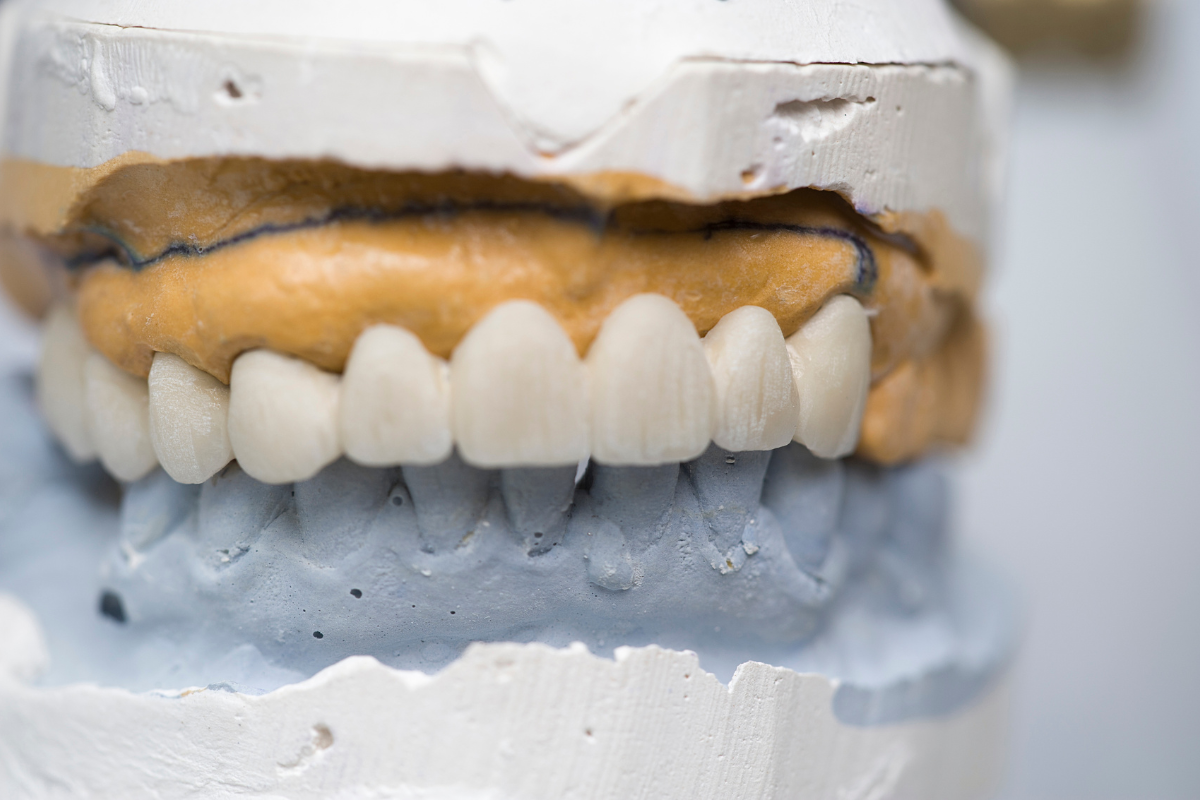
Yes. Missing teeth do not automatically prevent you from using clear aligners. In some cases, aligners can help close gaps. In others, they can prepare the space for a dental implant, bridge, or another tooth replacement option.
The right approach depends on where the tooth is missing, how long it has been missing, and how the surrounding teeth have shifted.
How Missing Teeth Affect Orthodontic Treatment
When a tooth is lost, nearby teeth may slowly move toward the empty space. The opposing tooth may also move out of its normal position.
This can lead to:
- Uneven spaces between teeth.
- Changes in the way your teeth meet.
- Food getting trapped in open gaps.
- Difficulty chewing.
- Changes in smile balance.
Your orthodontist must decide whether the space should remain open, become smaller, or be prepared for a replacement tooth.
Three Ways Aligners May Help
1. Closing the gap
If the missing tooth does not need to be replaced, orthodontic treatment may move nearby teeth to close the space. This depends on your bite, jaw structure, and overall tooth alignment.
2. Preparing space for a dental implant
Some patients need the gap kept at a certain width so a dental implant can be placed later. Aligners may help create or maintain the correct space.
3. Improving the position of nearby teeth
If surrounding teeth have tilted into the gap, aligners may help move them into better positions before restorative treatment.
Can You Get an Implant While Wearing Aligners?
Sometimes, but the timing matters. A dental implant is placed into the jawbone and does not move like a natural tooth. For this reason, the implant must be planned carefully around the movement of nearby teeth.
Your dental and orthodontic teams may coordinate treatment so the teeth reach their planned positions before implant placement.
What If You Have All Three Problems?
Some patients have more than one dental concern. For example, you may have a missing molar, gum inflammation, and a cavity in another tooth.
This does not mean orthodontic treatment is impossible. It means your dental team must set the right order of care.
Here is how these conditions may affect your treatment plan:
| Dental condition | Can you start aligners? | What may be needed first? |
| Small cavity | Usually, after treatment | Dental filling |
| Deep tooth decay | Not until managed | Root canal or crown, if needed |
| Mild gingivitis | After gum health is assessed | Better cleaning and gum care |
| Active periodontitis | Usually not yet | Periodontal treatment and follow-up |
| One missing tooth | Often possible | A plan for closing or keeping the gap |
| Several missing teeth | Depends on the case | A combined orthodontic and restorative plan |
The final decision depends on the condition of your teeth, gums, and jawbone. Two patients with the same dental problem may need very different plans.
What Happens During Your First Orthodontic Assessment?
A proper assessment helps your orthodontist understand whether your mouth is ready for tooth movement.
At Lighthouse Point Orthodontics, patients can discuss their smile concerns with Dr. Daniel Rozen and the orthodontic team. The practice offers Invisalign for adults and teens, along with other orthodontic options in Pompano Beach.
A typical assessment may include the following steps:
1. Review of Your Dental History
Your orthodontist may ask about past fillings, crowns, tooth extractions, gum treatment, and missing teeth. Share any current pain, sensitivity, or bleeding, even if it seems minor.
2. Examination of Your Teeth and Gums
The orthodontist checks tooth position, bite alignment, and visible signs of dental problems. If gum disease is suspected, a periodontal assessment may be needed.
3. Digital Scans and Dental Records
Lighthouse Point Orthodontics uses an iTero Element digital scanner to capture impressions of your teeth. These records can help assess tooth position and plan aligner treatment. Dental X-rays may also be needed to check the roots, jawbone, and areas that cannot be seen during a regular exam.
4. A Clear Treatment Plan
Once the findings are reviewed, your orthodontist can explain whether you are ready to begin, need dental treatment first, or should consider another orthodontic option.
You should understand what needs to be done, why it matters, and how each step may affect your treatment time.
How to Keep Your Teeth and Gums Healthy During Treatment
Getting approval to start aligners is only the first step. Your daily habits play a major role in keeping your mouth healthy.
Use these simple practices throughout treatment:
- Brush twice a day: Use fluoride toothpaste and clean all tooth surfaces.
- Floss once daily: Remove food and plaque from between your teeth.
- Clean your aligners: Follow your orthodontist’s instructions for washing and storing your trays.
- Remove trays before eating: Never chew food while wearing your aligners.
- Drink plain water: Avoid sugary drinks while wearing your trays.
- Attend dental checkups: Continue seeing your general dentist for routine exams and cleanings.
- Wear your trays as directed: Follow the daily wear schedule given by your orthodontist.
If you notice bleeding gums, tooth pain, swelling, or a loose tooth, contact your dental team. Do not wait until your next routine orthodontic visit if the problem is getting worse.
Local Care and Treatment Planning in Pompano Beach
Patients in Pompano Beach, Lighthouse Point, and nearby Broward County communities may see both a general dentist and an orthodontist during treatment.
This is helpful when a patient needs fillings, gum care, or tooth replacement before or during orthodontic treatment. Your dental providers can share relevant records and coordinate the timing of each procedure.
For example, a patient who has lost a tooth may need an orthodontic assessment before deciding when to place an implant. Another patient with gum disease may need regular periodontal visits while preparing for clear aligners.
Lighthouse Point Orthodontics is located at 2323 NE 26th Ave, Suite 107, Pompano Beach, FL 33062. Its orthodontic services include Invisalign for adults and teens, braces, and other treatment options.
The aim of an initial visit is to understand your needs and discuss a suitable plan, not to assume that every patient is ready for aligners on the same day.
Frequently Asked Questions
1. Do I need to fix all my cavities before starting Invisalign?
Yes. Active cavities should generally be treated before aligner treatment begins. This helps prevent decay from getting worse while your teeth are moving. Your dentist can also advise whether any planned fillings may affect aligner fit.
2. Can I wear aligners if my gums bleed when I brush?
Bleeding gums can be an early sign of gum disease. You should have them checked before starting treatment. Your orthodontist may recommend a dental or periodontal evaluation to make sure your gums are healthy enough for tooth movement.
3. Can Invisalign make gum disease worse?
It can create problems if gum disease is active and not treated. Moving teeth with weak gum and bone support can increase the risk of gum recession, root damage, and tooth loss. Good gum health is essential before and during treatment.
4. Can Invisalign close a gap left by a missing tooth?
Yes, in some cases. Your orthodontist may move nearby teeth to close the gap. If you need a dental implant or bridge, the space may need to remain open at a planned width.
5. Can I get dental implants after Invisalign?
Yes. Some patients complete orthodontic treatment before getting an implant. This allows the orthodontist to place the surrounding teeth in the right positions before the missing tooth is replaced.
6. Do I need a dental cleaning before starting treatment?
A professional cleaning may be recommended, especially if you have plaque buildup, tartar, or signs of gum inflammation. Your dentist can determine whether you need a routine cleaning or deeper gum treatment.
7. Can I switch to braces if I am not suitable for clear aligners?
Yes. Braces may be a better choice for certain complex tooth movements or bite problems. Your orthodontist can explain the benefits and limits of each option based on your dental condition.
8. How long should I wait after gum disease treatment before starting aligners?
There is no fixed waiting period for everyone. Your gum health, bone support, and response to treatment determine when it is safe to begin. Your dentist or periodontist should confirm that the condition is stable before orthodontic treatment starts.
Make an Informed Decision Before Straightening Your Teeth
Having cavities, gum disease, or missing teeth does not automatically mean you cannot have a straighter smile. What matters is the health of your teeth and gums, the amount of bone support, and the way your teeth fit together.
Treating dental problems first can help reduce complications and create a safer starting point for orthodontic care. A proper examination also helps determine whether clear aligners or braces are the better choice. If you are considering Invisalign Pompano Beach, Lighthouse Point Orthodontics can help you understand your orthodontic needs and discuss the next steps with its team.
You can request an appointment to discuss your concerns and find out whether you are ready to begin treatment.