
954-719-7955
Common Bite Problems That Orthodontic Treatment Can Correct

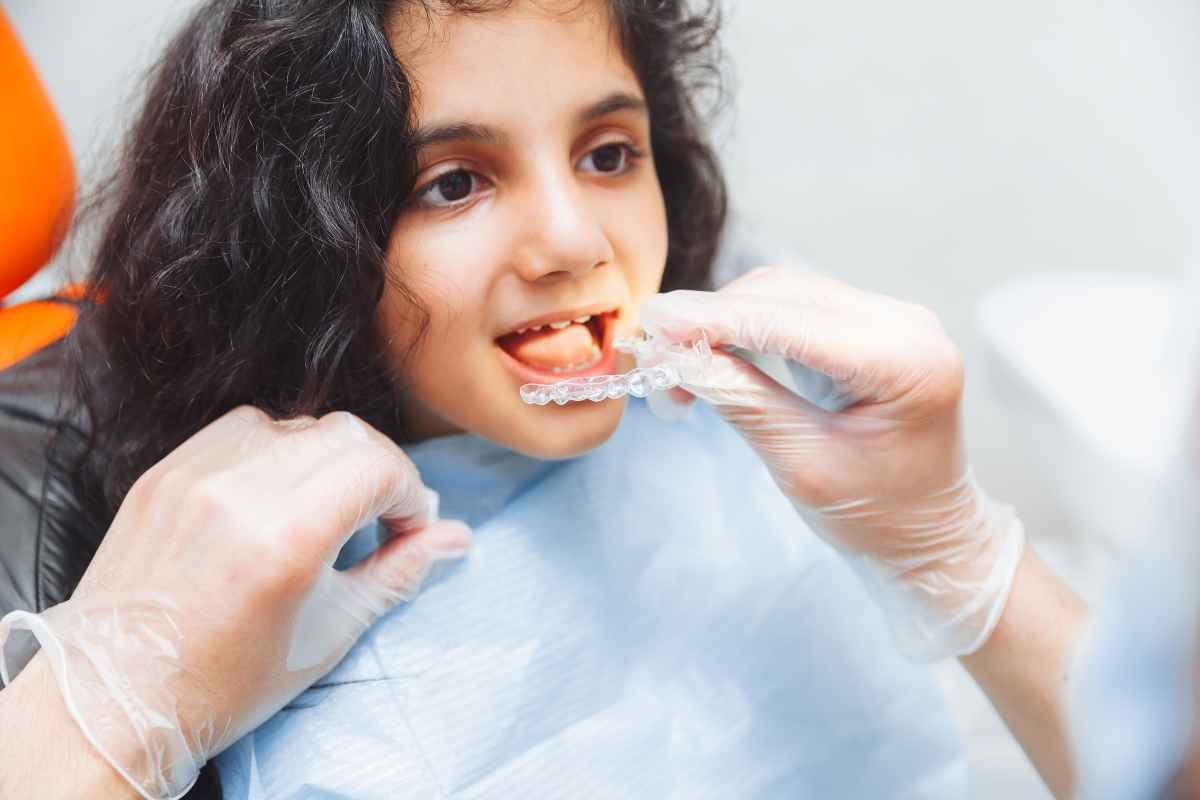
Your bite affects more than how your smile looks. It affects how you chew, speak, and even breathe. Many people live with bite problems for years without knowing there is a simple fix. A proper diagnosis and the right treatment plan can change that.
This guide breaks down the most common bite issues, why they happen, and how treatment helps. We will also cover why sticking to your appointment schedule matters just as much as starting treatment in the first place.
What Is a Bite Problem, Exactly?
A bite problem, also called malocclusion, happens when your upper and lower teeth do not line up the way they should. Sometimes it is mild and barely noticeable, and other times a quick search for orthodontist is what finally gets someone looking into the discomfort they have been living with.
Bite problems can come from genetics, early tooth loss, thumb sucking as a child, or the size and shape of your jaw. Most of these issues respond well to orthodontic treatment in pompano beach when they are caught early and managed with steady checkups over time.
The Most Common Bite Problems
Overbite
An overbite means your upper front teeth stick out too far over your lower teeth. A small overbite is normal, but a large one can lead to jaw pain, worn enamel, and gum irritation.
Underbite
An underbite is the opposite problem. Your lower jaw sits further forward than your upper jaw. This can make chewing hard and sometimes changes the shape of your face over time.
Crossbite
A crossbite happens when some of your upper teeth sit inside your lower teeth instead of outside them. Left untreated, it can cause uneven jaw growth and extra tooth wear on one side of your mouth.
Open Bite
With an open bite, your front teeth do not touch when your mouth is closed. This often makes it hard to bite into food or say certain sounds clearly.
Overcrowding
Overcrowding happens when there is not enough room in your jaw for all your teeth. Teeth twist, overlap, or come in at odd angles. This makes brushing and flossing harder, which raises your risk of cavities.
Why These Problems Need Attention
Bite problems rarely fix themselves. Left alone, they can lead to:
- Jaw pain and headaches
- Uneven tooth wear
- Trouble chewing or speaking
- Higher risk of cavities and gum disease
- Low confidence about your smile
Catching these issues early, in kids or adults, gives you more treatment options and often shortens the time you spend in treatment overall.
How Treatment Actually Fixes Your Bite
Braces, clear aligners, and other appliances work by applying steady, gentle pressure that moves teeth into better positions over time. For some bite problems, a mix of appliances and orthopedic tools helps guide jaw growth too, especially in growing kids.
Many people start their search with a local orthodontist once they notice a bite problem for the first time. Finding the right provider matters, because every bite is different and your plan should match your own case, not a generic template.
Why Regular Appointments Matter So Much
Starting treatment is only half the job. Your teeth and jaw shift a little each week as your appliance does its work. Regular visits let your orthodontist check that progress and make small adjustments along the way before small issues grow.
Skipping appointments, even by a few weeks, can slow your results or let your teeth drift back toward where they started. This often means longer treatment and sometimes extra cost to fix setbacks that could have been avoided.
Families comparing orthodontic treatment often ask how often visits are needed. Most plans call for a checkup every four to eight weeks, though this can shift based on your appliance and how your teeth are responding.
Local Factors That Can Affect Your Treatment
Florida’s warm, humid weather does not change how braces or aligners work, but it does affect how you care for them. Sports, swimming, and outdoor activities are part of daily life here, so a well fitted mouthguard matters if you play contact sports during treatment.
Local diets rich in citrus fruit and sugary drinks can also wear on your appliances. Anyone going through orthodontic treatment in pompano beach should rinse after meals and stick to a steady cleaning routine to protect both their teeth and their equipment for the long run.
Making Your Decision
If you have noticed any of these bite problems in yourself or your child, do not wait for it to get worse. Small issues are almost always easier and cheaper to fix than big ones. A visit with a trusted orthodontist near me can tell you exactly where things stand and what your options look like.
Ready to Take the Next Step?
Your bite affects your comfort, your confidence, and your long term dental health. A clear treatment plan, paired with regular visits, gives you the best chance at lasting results. At Lighthouse Point Orthodontics, we walk you through every step so you always know what to expect and why.
If you are ready, schedule a consultation with Lighthouse Point Orthodontics and let us build a plan around your smile. Whether you found us by name or by searching for an orthodontist near me, choosing the right orthodontic treatment in Pompano beach starts with one simple conversation, and we are glad to have it with you.
Frequently Asked Questions
1. How do I know if I have a bite problem?
Common signs include teeth that do not line up when you bite down, jaw clicking or soreness, and trouble chewing certain foods. A dental exam can confirm what you are dealing with.
2. Can a bite problem fix itself without treatment?
No. Bite problems tend to stay the same or get worse over time. Early treatment usually means a simpler, shorter process.
3. What age is best to start treatment?
Many providers recommend a first checkup by age seven, but bite problems can be treated at almost any age, including adulthood.
4. Do adults still qualify for orthodontic care?
Yes. A growing number of adults get treatment. Bone and gum health matter more than age when it comes to eligibility.
5. How long does treatment usually take?
Most plans run between twelve and thirty months, depending on how complex the bite issue is and how consistent you are with appointments.
6. Does insurance cover this type of treatment?
Many dental insurance plans offer partial coverage. It is worth checking your specific policy or asking the office directly.
7. What happens if I miss a scheduled appointment?
Missed visits can slow progress or let teeth shift back. Most offices will help you reschedule quickly to keep your plan on track.
8. Are clear aligners as effective as braces?
For many bite problems, yes. The right choice depends on your specific case, so a professional evaluation is the best way to decide.
