954-719-7955
How Modern Orthodontics Is Becoming More Preventive Than Corrective

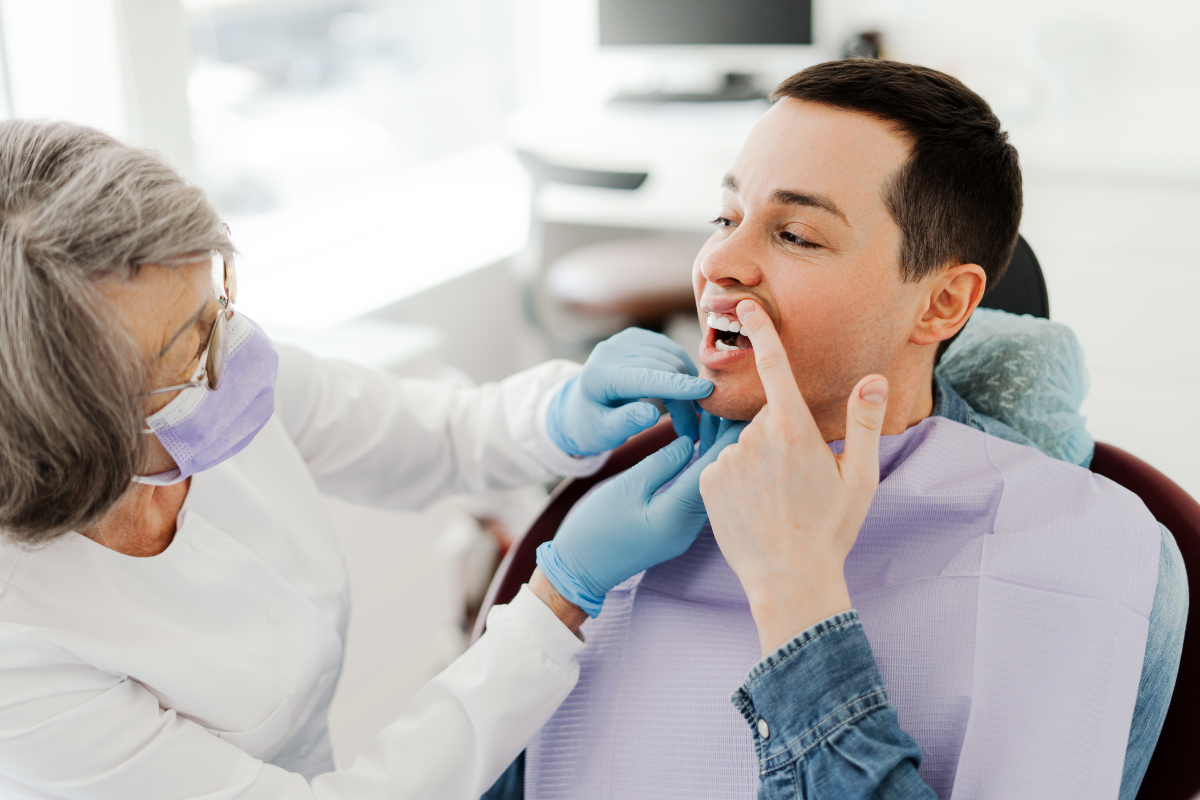
Most people still think of braces as something you get after your teeth are already crooked. Fix the problem once it shows up. That idea is changing fast. Today’s orthodontic care in Pompano Beach focuses on catching issues early, sometimes years before a single bracket goes on a tooth.
This shift matters for families here in South Florida. Kids grow up fast, jaws develop at different rates, and small habits (like mouth breathing or thumb sucking) can shape a smile long before anyone notices a crooked tooth. Preventive orthodontics steps in early and often saves patients from bigger treatment later.
Let’s walk through what this shift actually looks like, why it works, and how you can use it for your own family.
What “Preventive Orthodontics” Really Means
Preventive orthodontics is not about waiting for problems to grow. It’s about spotting the early signs of a developing bite issue and guiding the jaw and teeth into a healthy position from the start.
Think of it like a coach adjusting a young athlete’s form before bad habits set in, instead of correcting an injury years later. The same logic applies to a growing mouth. A child’s jaw is still soft and moldable, which gives orthodontists a window to guide growth gently, without heavy corrective work down the road.
This is a big reason more parents are seeking orthodontic care in Pompano Beach while their kids are still young, sometimes as early as age seven.
Why the Shift Is Happening Now
A few things have changed the game:
Better screening tools
Digital scans and 3D imaging let orthodontists see how a jaw is developing months or years before a problem becomes visible to the naked eye.
Stronger research on early intervention
Studies over the past two decades show that early guidance often reduces the need for extractions, jaw surgery, or long adult treatment.
Parents asking more questions
Families are more informed today. They want options that protect their child’s long-term oral health, not just a quick fix for crooked teeth.
A generational shift in dental care
Preventive checkups have become normal in general dentistry. Orthodontics is simply following that same path.
Signs a Preventive Visit Might Help
You don’t need to wait for an obvious problem. Here are common signs worth a checkup:
- Teeth that come in crowded or with visible gaps
- A jaw that shifts to one side when biting down
- Thumb sucking or pacifier use past age four
- Mouth breathing during sleep
- Baby teeth that fall out much earlier or later than expected
- Difficulty chewing or frequent jaw clicking
None of these guarantee a serious issue. But catching them early gives your orthodontist more options and often means simpler treatment.
How Preventive Treatment Actually Works
Preventive orthodontic care in Pompano Beach usually falls into a few categories, depending on age and need.
Growth Guidance for Kids
Simple appliances, like expanders or space maintainers, gently guide jaw growth or hold space for permanent teeth. This isn’t about straightening teeth yet. It’s about making sure there’s enough room for them to come in correctly.
Habit Correction
Habits like thumb sucking or tongue thrusting can push teeth out of position over time. A short course of guided treatment can break these habits before they cause lasting change.
Airway and Breathing Support
Mouth breathing and poor sleep can actually affect jaw shape. Addressing airway issues early supports both a healthy bite and better sleep for your child.
Regular Growth Monitoring
Sometimes the right move is simply watching. An orthodontist checks in every six to twelve months, tracking growth and stepping in only when needed. This avoids treating a problem that may resolve on its own.
The Real Benefits for Patients and Families
Preventive orthodontics isn’t just about avoiding future braces. It offers real, practical benefits:
- Shorter treatment later. Guided growth now often means less time in braces or aligners as a teenager.
- Lower long-term cost. Smaller early interventions can prevent the need for more complex (and expensive) corrective work.
- Better jaw function. Proper alignment supports chewing, speech, and even breathing.
- Improved confidence. Kids who avoid severe crowding or bite problems often feel more comfortable with their smile growing up.
- Less invasive treatment overall. Early guidance can reduce the odds of needing extractions or jaw surgery later in life.
Preventive Doesn’t Mean “No Treatment for Adults”
It’s worth clearing up a common mix-up. Preventive orthodontics is mostly linked to kids, but adults benefit too. Regular checkups can catch early shifts caused by teeth grinding, gum changes, or a missing tooth that goes unreplaced. Left alone, small shifts can turn into bigger bite problems within a few years.
If you’re an adult who hasn’t had a dental checkup involving bite alignment in a while, it’s worth asking your dentist whether a visit to an orthodontist in Pompano Beach makes sense for you.
What to Expect at a Preventive Consultation
A first visit is simple and low-pressure. Here’s the general flow:
- A review of your child’s (or your own) dental and health history
- Digital scans or X-rays to check jaw growth and tooth position
- A visual exam of bite alignment and any early warning signs
- A conversation about whether treatment is needed now, later, or not at all
Most consultations take less than an hour, and many patients leave with nothing more than a plan to check back in six months.
Why Local Access Matters
Preventive care only works if it’s consistent. That means regular visits, not a one-time checkup. Choosing a nearby orthodontist in Pompano Beach makes it easier to stick with a growth-monitoring schedule without long drives or scheduling headaches.
Families across Pompano Beach, Lighthouse Point, and the surrounding areas are increasingly choosing local providers who understand the community and can offer flexible, ongoing care. This kind of steady relationship with a provider is often what makes preventive treatment successful in the first place.
Making the Shift Toward Prevention
The move from fixing problems to preventing them reflects a bigger change in how health care works. Dentistry, medicine, and now orthodontics are all leaning toward catching issues early rather than treating them after the fact.
If you’ve been waiting for a “reason” to book a checkup, this is it. Reliable orthodontic care in Pompano Beach today means fewer surprises, simpler treatment, and better outcomes for your whole family.
At Light House Point Orthodontics, our team focuses on this exact approach. We track growth patterns, catch small issues early, and build treatment plans around what each patient actually needs, not a one-size-fits-all path. Whether you’re bringing in a seven-year-old for a first checkup or you’re an adult noticing changes in your bite, working with a trusted orthodontist in Pompano Beach can make a real difference in your long-term oral health.
Ready to take the next step?
Schedule an consultation with Light House Point Orthodontics today and find out what a preventive approach could mean for your smile.
Frequently Asked Questions
1. At what age should my child have their first checkup?
Most dental groups recommend a first visit around age seven. By this point, enough adult teeth have come in to spot early bite or spacing issues.
2. Does preventive treatment hurt?
No. Most early treatments involve simple appliances that feel like mild pressure, not pain. Kids usually adjust within a few days.
3. Will my child still need braces later even with early treatment?
Sometimes, yes. Preventive care doesn’t always eliminate the need for braces, but it often makes later treatment shorter and simpler.
4. How is preventive treatment different from regular braces?
Regular braces fix teeth that are already misaligned. Preventive treatment guides growth before major misalignment happens.
5. Can adults benefit from preventive checkups too?
Yes. Adults can develop bite shifts from grinding, gum disease, or missing teeth. Regular checkups can catch these changes early.
6. How often should growth monitoring visits happen?
Typically every six to twelve months, depending on your child’s age and how their teeth and jaw are developing.
7. Is preventive orthodontic treatment covered by insurance?
Coverage varies by plan. Many insurance providers cover a portion of early evaluation and treatment, so it’s worth checking your specific policy.
8. What happens if we skip early treatment and wait?
Waiting isn’t always harmful, but it can sometimes mean a more involved treatment plan later, including a longer time in braces or additional procedures.