954-719-7955
Overbite? No Problem. Invisalign to the Rescue!


Overbites are a common dental concern that many people face, but the good news is that you don’t have to live with them! If you’re looking for a discreet, effective, and comfortable way to fix an overbite, Invisalign might be the perfect solution for you. Let’s dive into how Invisalign works, why it’s a great choice for overbite correction, and how it can give you the beautiful, confident smile you’ve always wanted.
What is an Overbite, and How Does It Affect You?
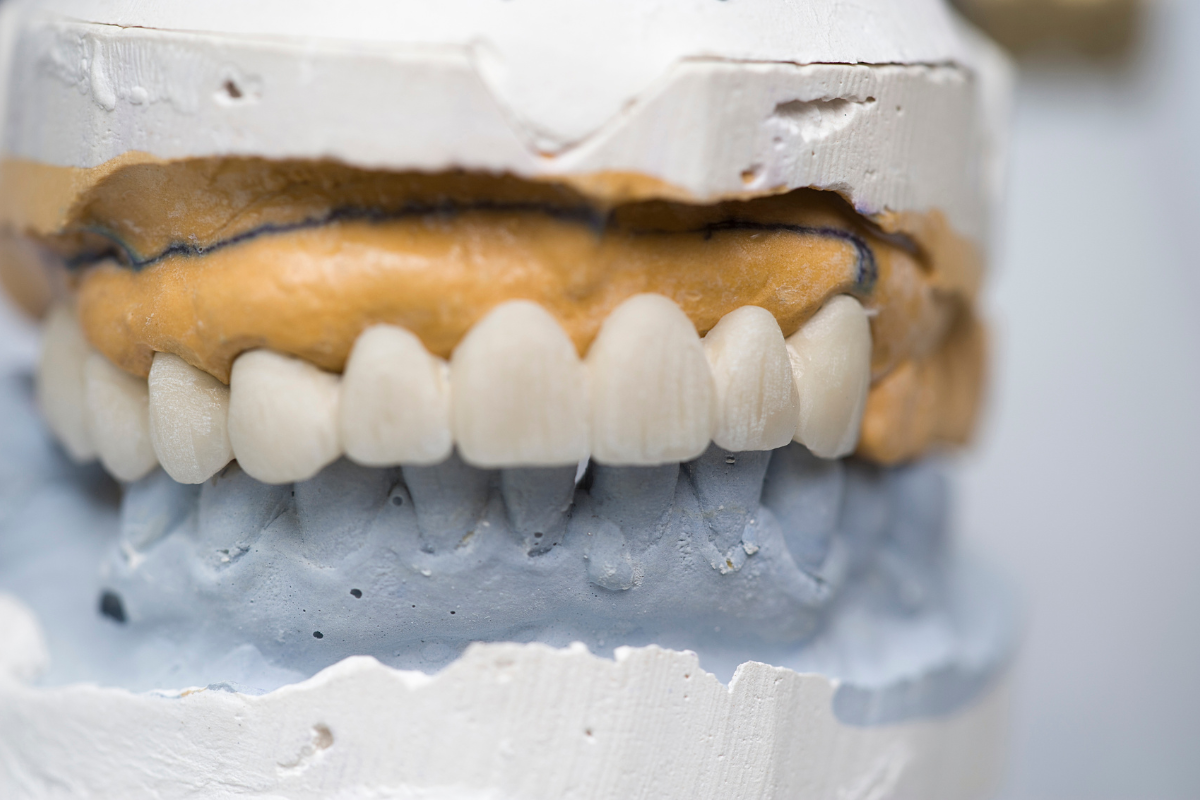
An overbite occurs when the upper teeth overlap the lower teeth significantly. In mild cases, it might be barely noticeable, but in severe cases, it can cause discomfort, difficulty chewing, and even jaw pain. Additionally, an untreated overbite can lead to dental problems, such as increased wear on your teeth, gum issues, and even speech problems.
Thankfully, overbites are treatable, and Invisalign has become one of the most popular options for correcting them without the need for traditional metal braces.
Can Invisalign Fix an Overbite?
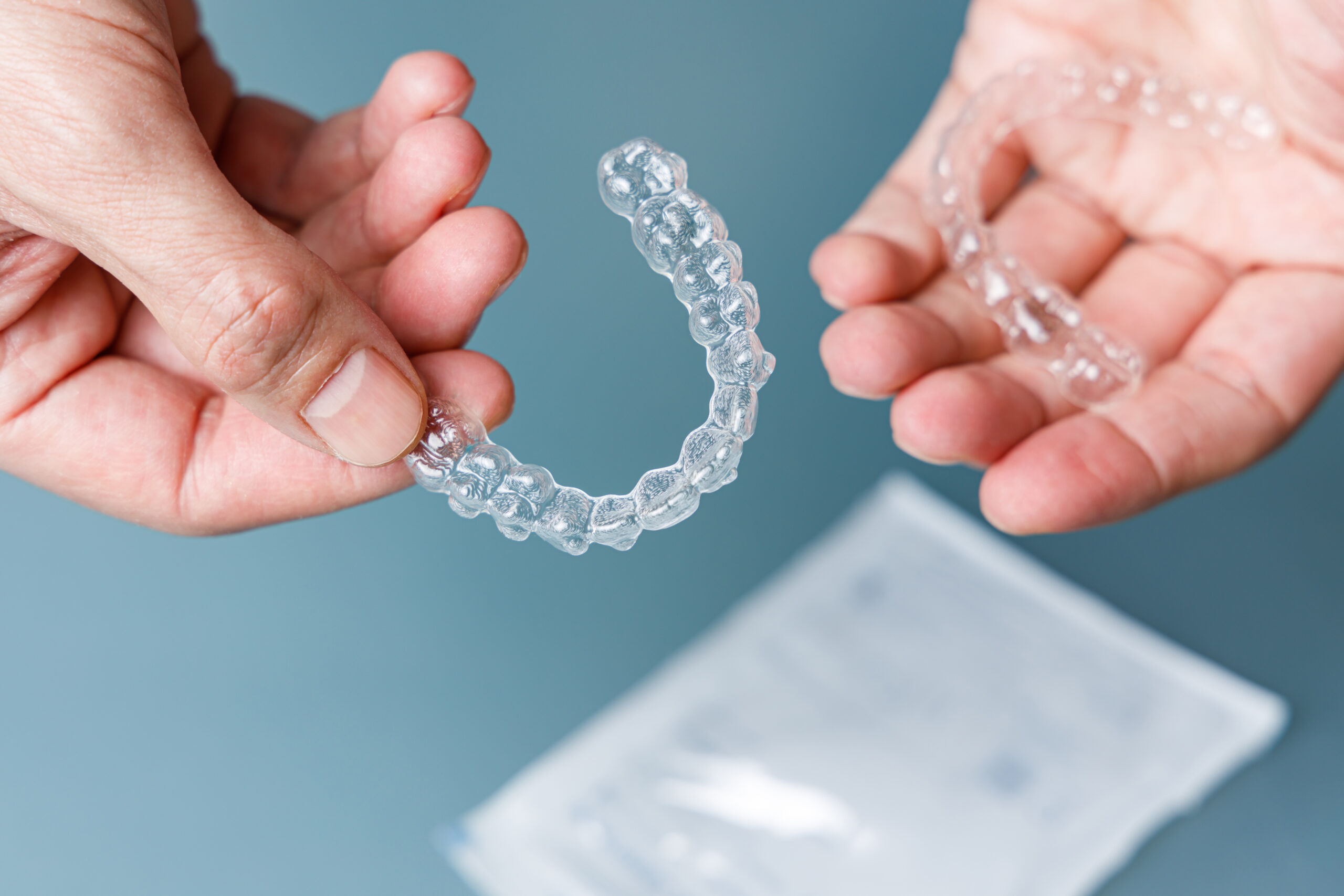
Absolutely! Invisalign is an effective and modern orthodontic treatment that uses clear, removable aligners to gradually shift your teeth into their proper positions. Whether you have a mild or moderate overbite, Invisalign can help realign your teeth, correct bite issues, and improve your smile.
How Does Invisalign Work for Overbite Correction?
Invisalign aligners are custom-designed for your unique dental structure using 3D technology. Each set of aligners is designed to move your teeth little by little until they reach the desired alignment. Here’s how the process works:
- Consultation: The journey begins with a consultation with one of our experienced orthodontists. They will assess the severity of your overbite and determine if Invisalign is the right solution for you.
- Personalized Treatment Plan: Using advanced digital imaging, we’ll create a detailed treatment plan so you know exactly how your teeth will move throughout the process.
- Wearing Aligners: You will wear a series of custom-made aligners for 20-22 hours a day, with each set gently shifting your teeth into place.
- Regular Checkups: You’ll visit us every few weeks to ensure your treatment is progressing smoothly and to receive your next set of aligners.
- Enjoy the Results: After completing your treatment, you’ll have a properly aligned bite, improved oral health, and a more confident smile!
When Invisalign Might Not Be the Best Choice for Overbite Treatment
While Invisalign works for many overbite cases, it may not be the best solution for everyone. Here are a few scenarios where alternative treatments might be recommended:
- Severe Overbites: If your overbite is extremely severe, traditional braces or even surgical interventions might be more effective for achieving the desired results.
- Complex Orthodontic Issues: If you have other dental issues, such as severe misalignment, crowding, or jaw abnormalities, Invisalign may be used in combination with other treatments.
- Cost Considerations: Invisalign can be slightly more expensive than traditional braces, so if budget is a concern, other options might be worth considering.
The Benefits of Choosing Invisalign for Overbite Correction
Choosing Invisalign for overbite correction offers several advantages over traditional braces:
- Discreet Appearance: Invisalign aligners are clear, meaning they’re nearly invisible when worn. You can go about your day without worrying about metal braces impacting your appearance.
- Comfort: Since the aligners are made from smooth plastic, they’re more comfortable to wear than traditional metal braces, which can irritate the inside of your mouth.
- Removable: Unlike traditional braces, Invisalign aligners are removable, making it easy to maintain oral hygiene by brushing and flossing without any restrictions. Plus, you can eat whatever you want without worrying about food getting stuck in brackets or wires.
- Fewer Appointments: With Invisalign, you don’t need frequent adjustments like with metal braces. This means fewer visits to the orthodontist, making it a convenient choice for many patients.
- Predictable Results: With advanced 3D technology, we can map out your entire treatment plan from start to finish, providing a clear picture of your progress and the expected timeline.
How Long Does It Take to Correct an Overbite with Invisalign?
The treatment time for Invisalign can vary depending on the severity of your overbite. On average, it can take anywhere from 12 to 18 months to achieve the desired results. However, this timeline can be shorter or longer based on your specific situation and how closely you follow the treatment plan.
Ready to Fix Your Overbite with Invisalign?
Overbite? No problem! If you’re ready to transform your smile with Invisalign, our team is here to guide you every step of the way. Whether you’re looking to improve your bite, enhance your smile, or boost your confidence, Invisalign can help.
Schedule a Consultation Today!
Don’t wait any longer to start your journey toward a better smile. Contact us today to schedule your consultation and find out how Invisalign can work for you!
Can Invisalign fix all types of overbites?
Invisalign works for many types of overbites, but the effectiveness will depend on the severity and complexity of the condition. A consultation with our orthodontist will determine if Invisalign is the best solution for you.
Is Invisalign effective for severe overbites?
In severe cases of overbite, traditional braces or surgery may be needed. However, Invisalign can be effective for many moderate cases, and in some situations, it can be combined with other treatments for the best results.
Are there any dietary restrictions with Invisalign?
No! Unlike traditional braces, Invisalign aligners are removable, so you can enjoy all your favorite foods without worrying about brackets and wires.