954-719-7955
Invisalign Pain: What’s Normal And What’s Not

Starting Invisalign treatment can be an exciting step toward a beautiful smile, but it often comes with questions — “Will it hurt?”
Many potential patients wonder if the treatment will cause discomfort and how to manage it. If you are searching for Invisalign Pompano Beach, you are not alone. Understanding the familiar sensations you might experience and distinguishing between normal discomfort and something that needs attention is key.
Let us explore what is typical, what might surprise you, and when to reach out for help during your teeth straightening journey.
Why Some Discomfort Is Expected?
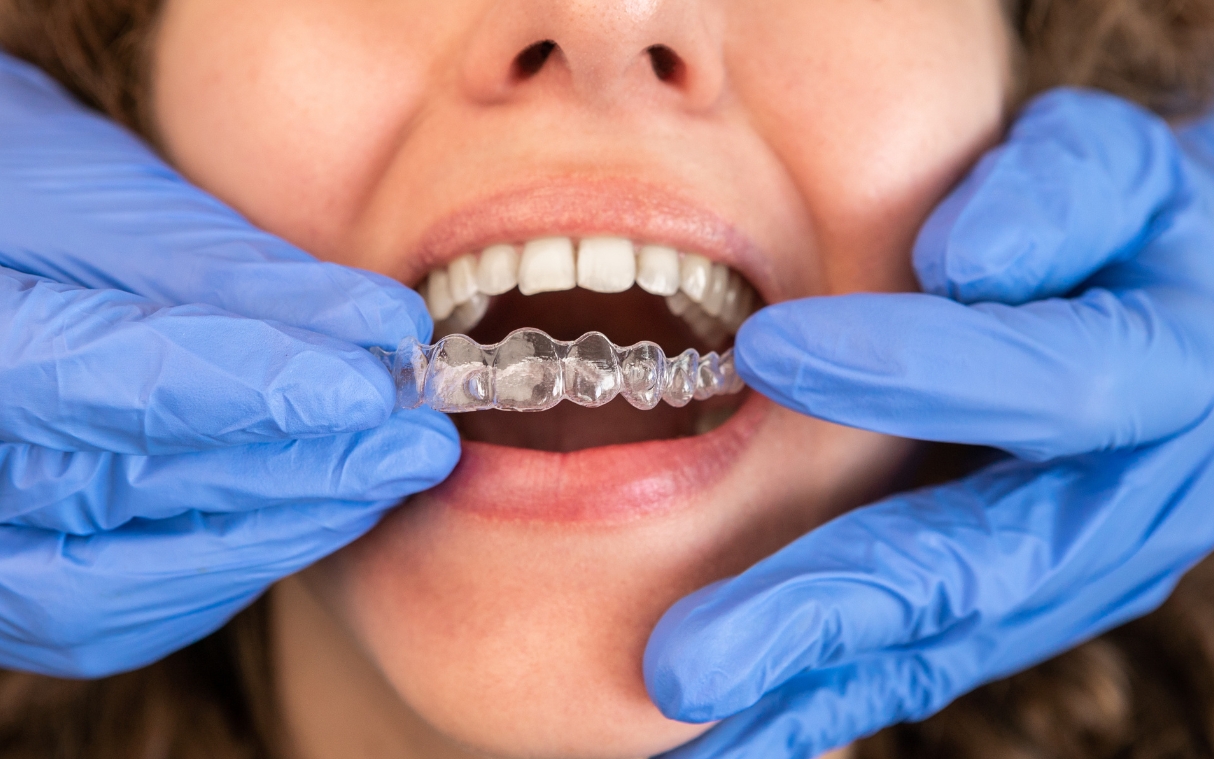
Clear aligners work by applying a gentle, consistent force to your teeth, gradually shifting them into place. This pressure often causes a feeling of tightness or soreness, especially when you first start wearing them or when you switch to a new tray.
Researchers and orthodontic professionals note that many patients describe this as a mild ache or pressure during the first 24–48 hours after inserting a new set. For most users, this discomfort fades within a few days, signaling that the trays are effectively guiding tooth movement.
What Makes Invisalign Different From Traditional Braces?
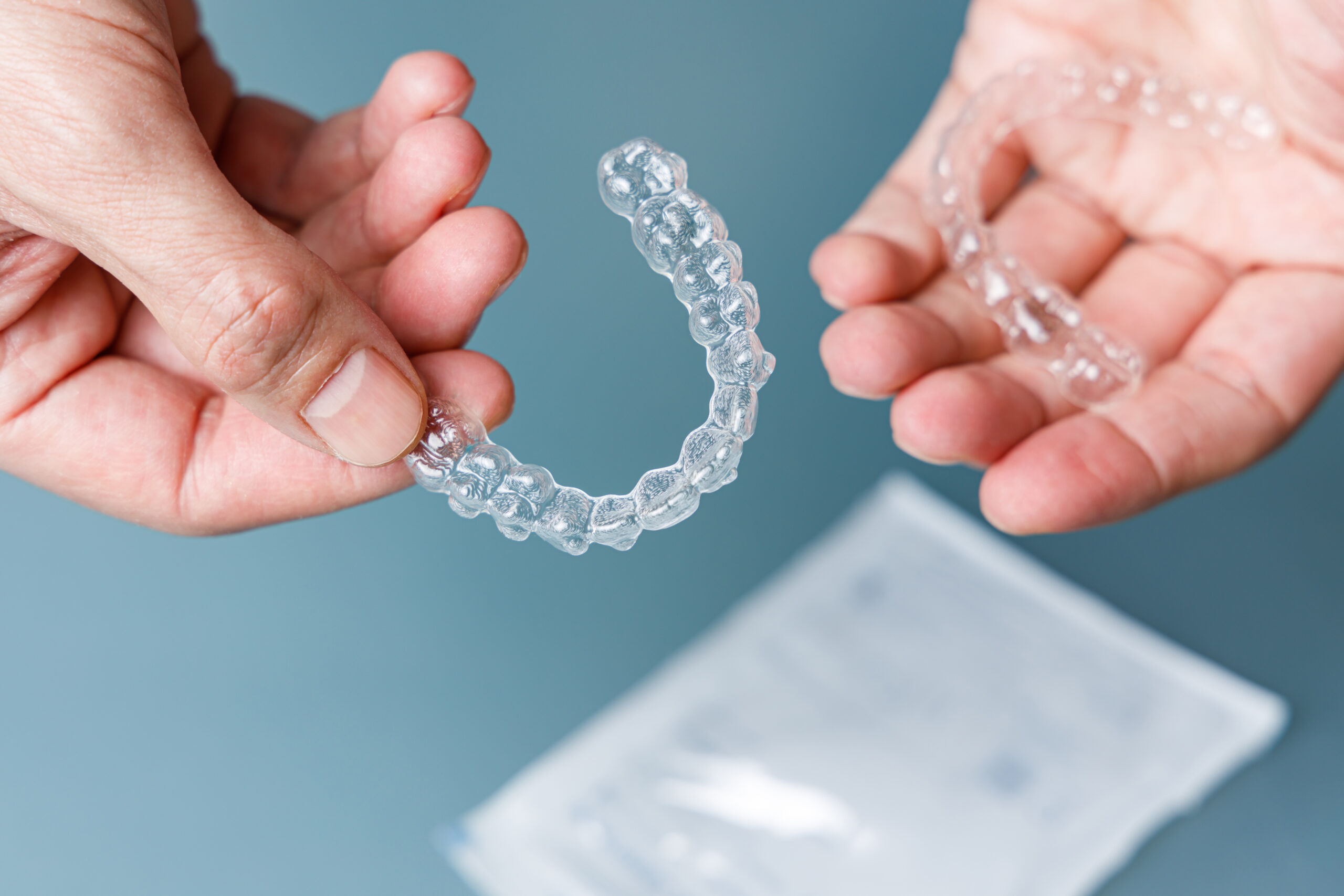
Removable braces have distinct advantages over traditional metal braces, especially in terms of comfort. Conventional braces often involve friction and can irritate the gums and soft tissues, while clear dental trays are made of smooth plastic.
Another benefit of Invisalign Pompano Beach is its removable nature. Unlike braces, which require permanent fixtures, they can be removed for eating, drinking, and cleaning. This allows you to avoid some of the discomfort traditional braces can bring, like difficulty chewing or irritation from food getting stuck.
Common Types Of Discomfort And When It Is Normal
As your teeth begin to shift, some discomfort is expected. Here are the common types of sensations most users experience and what they mean during your treatment:
- Tooth and gum sensitivity or tenderness: When teeth shift, surrounding nerves and ligaments respond — this can make biting, chewing, or even light pressure feel odd temporarily.
- Jaw or bite pressure: Your trays slightly alter how your teeth meet; the shift in bite may feel strange for a few days until things settle.
- Gum or soft-tissue irritation: The alogner’s edges may rub against your gums or the insides of your cheeks, especially during early wear.
When Discomfort Might Indicate A Problem?
While some soreness is expected, specific symptoms deserve a prompt check‑up:
- Sharp, persistent pain that lasts more than a few days.
- Pain severe enough to interfere with eating or daily comfort.
- Ongoing gum bleeding, swelling, or sores that do not improve.
- Irritation that comes from ill‑fitting clear dental trays or damage to the plastic trays.
If you experience any of these, reach out to a professional or search for an ‘orthodontist near me’. This is because a few adjustments or refinements may be necessary to ensure safe, adequate progress.
Tips To Make Invisible Braces More Comfortable
Even though discomfort is a normal, there are many ways to minimize it and ensure you are as comfortable as possible:
- Wear invisible trays as prescribed: Consistent use helps your teeth adjust more quickly and evenly.
- Switch trays before bed: That way, the initial soreness hits while you’re sleeping, making it easier to handle.
- Use a cold compress: Apply it to your jaw for 10-15 minutes to reduce inflammation and alleviate soreness.
- Over-the-counter pain relievers: Taking ibuprofen or acetaminophen can help relieve discomfort during the first 48 hours after a tray change.
- Orthodontic wax: If your teeth straighteners rub against the inside of your mouth, applying orthodontic wax to the edges can help reduce irritation.
These small changes can make the adjustment period more manageable, allowing you to stay on track with your treatment.
When To Re‑evaluate: Mid‑Treatment Check‑Ins Are Important
Even after the first few weeks, changes in pressure or new sensitivity can happen. It primarily occurs when your treatment undergoes larger corrections. It is worth revisiting your orthodontist near me if discomfort feels uneven, prolonged, or sharp. Regular check-ins ensure that aligners remain effective and gentle.
Also, for those looking into Invisalign Pompano Beach, know that reputable providers balance comfort with results, customizing treatment stages to minimize discomfort while optimizing alignment.
Embracing Comfort And Progress With Invisalign
If you are curious about Invisalign and wondering how it feels, the average experience involves short‑term pressure or sensitivity that fades within a few days to a week. The sensation is evident, especially after a tray change. These sensations indicate your teeth are shifting as planned, which is normal to achieve a straighter smile. If you would like to explore whether modern teeth straightening is right for you, schedule a consultation and see how it might fit your needs comfortably and effectively.
Whenever you need guidance or reassurance, do not hesitate to visit the nearest dental clinic. The proper support makes all the difference on the road to a confident, healthy smile.
Common FAQs: Invisalign Pain
Q1: How long does discomfort from invisible braces typically last?
Most patients feel mild pressure or tightness for about 48–72 hours after switching to a new tray. After that, discomfort usually subsides while teeth gradually adjust and settle into their new positions.
Q2: Is soreness with aligners a sign something is wrong?
Not necessarily. A gentle ache or pressure is often normal and indicates that the teeth are shifting. However, sharp pain, persistent irritation, or sores should prompt a check‑in with your provider.
Q3: Can orthodontic trays cause soft‑tissue irritation inside the mouth?
Yes! The edges of the trays may rub against the gums or cheeks, especially early on. Simple fixes, such as smoothing edges or using orthodontic wax, usually resolve the issue quickly.
Q4: Will the adjust‑period discomfort happen every time I switch trays?
Often yes, though intensity varies. The first day or two with a new set is when pressure peaks. As your teeth adapt, sensations become subtler and often go unnoticed.
Q5: How can I ease aligner discomfort without affecting treatment progress?
Stick to a soft‑food diet, use over‑the‑counter pain relief if needed, and wear aligners consistently. Cold compresses or lukewarm rinses can soothe tenderness while preserving alignment momentum.