954-719-7955
Pain management during orthodontic treatment

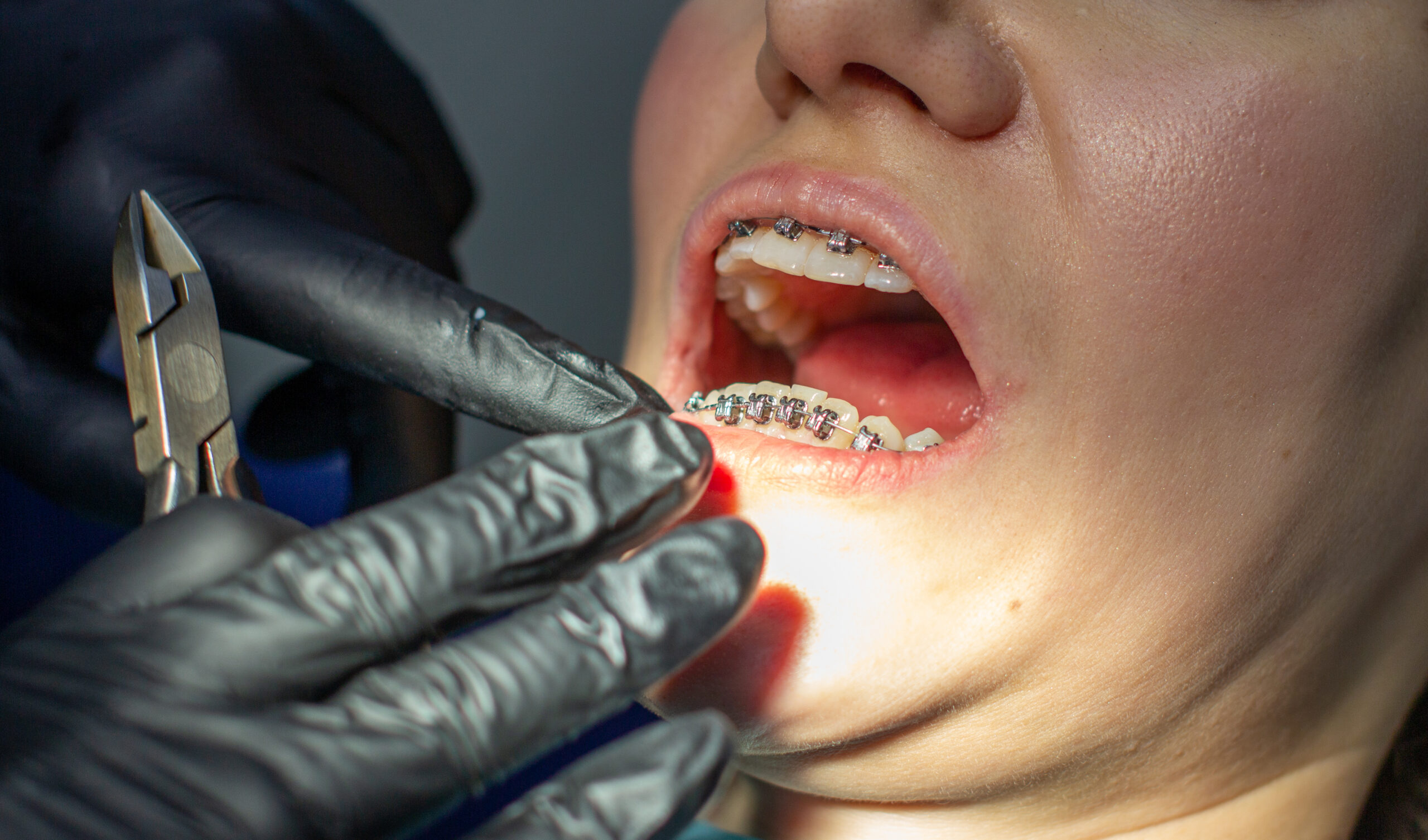
Orthodontic treatments have become a natural part of modern life in the USA. From children to adults, an increasing number of people are opting for braces and aligners to achieve healthier, straighter smiles. The American Dental Association (ADA) reports that orthodontic procedures are among the most common dental treatments today.
However, with that journey comes a shared experience, temporary discomfort. The soreness or pressure felt after an adjustment can make even simple tasks, such as eating or talking, a bit challenging. Your orthodontist will assure you that this sensation is completely normal and simply means your teeth are responding to movement. The key lies in learning how to manage and minimize that pain so the process feels easier, smoother, and more rewarding.
Let’s explore how to keep your smile journey comfortable from start to finish.
Understanding Why Orthodontic Pain Happens?
When teeth start to move, they put pressure on the surrounding bone and tissues. That pressure triggers a natural response — mild inflammation — which can make your mouth feel sore or tight. This is the body’s way of adjusting to change. During the first few days after tightening your braces or starting a new set of aligners, you may experience sensitivity when biting or brushing. If this discomfort feels concerning, visiting an orthodontist near me can help you understand what’s normal and how to manage it.
Your orthodontic professional will explain that this temporary soreness usually fades as your mouth adapts. Knowing that this is a normal part of progress can make it easier to manage both physically and mentally.
How to Manage Pain and Stay Comfortable?
There’s no single rule for comfort during dental treatment, but small changes in your routine can make a big difference.
1. Use Cold Compresses to Reduce Soreness
Applying an ice pack or cold compress for ten minutes helps reduce inflammation and numb sore spots. It’s a simple and natural way to alleviate discomfort, especially during the first few days after an adjustment.
2. Stick to Soft, Nourishing Foods
When your teeth feel tender, soft foods become your best friend. Smoothies, soups, yogurt, and oatmeal are gentle yet satisfying choices. Avoid hard snacks like chips or sticky candies — they can increase soreness or damage wires.
3. Try Warm Salt Water Rinses
Mix a teaspoon of salt in a glass of warm water and rinse gently for thirty seconds. This classic home remedy soothes irritated gums and keeps your mouth clean.
4. Apply Orthodontic Wax for Relief
If a wire or bracket rubs against your cheek, orthodontic wax creates a smooth layer of protection. It’s a small fix that can save you from constant irritation.
5. Stay on Top of Oral Hygiene
Clean teeth recover faster. Regular brushing and flossing help remove plaque buildup that can irritate the gums, thereby reducing overall pain. Maintaining hygiene also ensures your treatment progresses without delays.
Your orthodontist near me can recommend additional comfort aids, such as silicone covers or specialized mouth rinses, tailored to your needs. Regular appointments help ensure your progress stays on track and discomfort remains manageable.
Lifestyle Tips to Make Orthodontic Care Easier
Managing pain isn’t just about quick fixes — it’s about developing habits that make the process easier day by day.
- Stay Hydrated: A dry mouth increases irritation. Drink water frequently to keep tissues moist and comfortable.
- Massage Your Gums Gently: Using clean fingers, gently rub your sore gums to stimulate blood flow and ease pressure.
- Avoid Clenching: Stress often leads to jaw tension. Relax your face and avoid grinding your teeth, especially at night.
- Follow the Treatment Plan Strictly: Wear aligners or elastics as directed. Skipping days or wearing inconsistently can lead to more pain later as your teeth adjust.
If discomfort feels more than mild or doesn’t fade after a week, your orthodontist near me can evaluate the issue. Sometimes, even a small adjustment brings huge relief.
When to Visit the Dentist for Pain?
Most orthodontic pain typically fades within a few days; however, it may sometimes indicate a more serious underlying issue. Persistent swelling, sharp pain, or bleeding gums shouldn’t be ignored. These signs may indicate loose wires, an infection, or an uneven bite adjustment.
A dental visit ensures the appliance fits properly and that there’s no irritation, causing unnecessary pain. Your dental team can also provide soothing gels or mouth rinses designed specifically for comfort. Remember, visiting early prevents bigger problems later.
If you feel unsure whether what you’re experiencing is normal, always reach out for guidance. Your dentist is there to make this journey as comfortable as possible.
The Importance of Regular Dental Visits
Even if everything feels fine, regular checkups are key to maintaining comfort and progress. Every visit allows the dental team to monitor your progress and make small tweaks that improve your bite’s alignment and your comfort level.
During these visits, your orthodontist ensures that your treatment plan remains effective, efficient, and comfortable. It’s the best way to ensure every adjustment brings you closer to your goal — a healthy, confident smile.
Feeling uneasy about orthodontic discomfort? Schedule a visit to your nearby dental office and learn simple, personalized ways to keep your treatment pain-free.
Creating a Comfortable Orthodontic Experience
Pain management during orthodontic treatment is a crucial aspect of your smile journey. While temporary soreness is expected, knowing how to reduce it makes the experience much smoother. With gentle care, patience, and the proper guidance, the discomfort fades, leaving behind a beautifully aligned smile. If you’re starting treatment soon or need help staying comfortable, schedule a consultation to discuss your best options for relief and support.
Consistent care and open communication with your orthodontist create a treatment experience that’s both effective and comfortable. For lasting comfort and professional advice, contact a local dental clinic to explore ways to protect your smile while keeping your orthodontic journey on track.
FAQs: Orthodontic Treatment
1. How long does pain from braces or aligners last?
Discomfort usually lasts a few days after each adjustment. The soreness fades as your teeth adapt.
2. Are over-the-counter pain relievers safe during orthodontic treatment?
Yes, mild pain relievers are generally safe when taken as directed. Ask your dentist before using them regularly.
3. Can cold foods help with orthodontic soreness?
Yes, cold foods like smoothies or frozen yogurt can numb the area and reduce tenderness naturally.
4. What should I do if my braces irritate my mouth?
Use orthodontic wax to cover sharp spots and rinse with warm salt water for soothing relief.
5. How can I prevent orthodontic pain altogether?
Follow your dentist’s instructions closely, avoid hard foods, and maintain consistent oral hygiene.
6. Should I visit the dentist for ongoing pain?
Yes. If pain lasts longer than a week or feels severe, schedule a visit to check for issues.