954-719-7955
The Bite Problems That Braces Can Correct Before They Get Worse

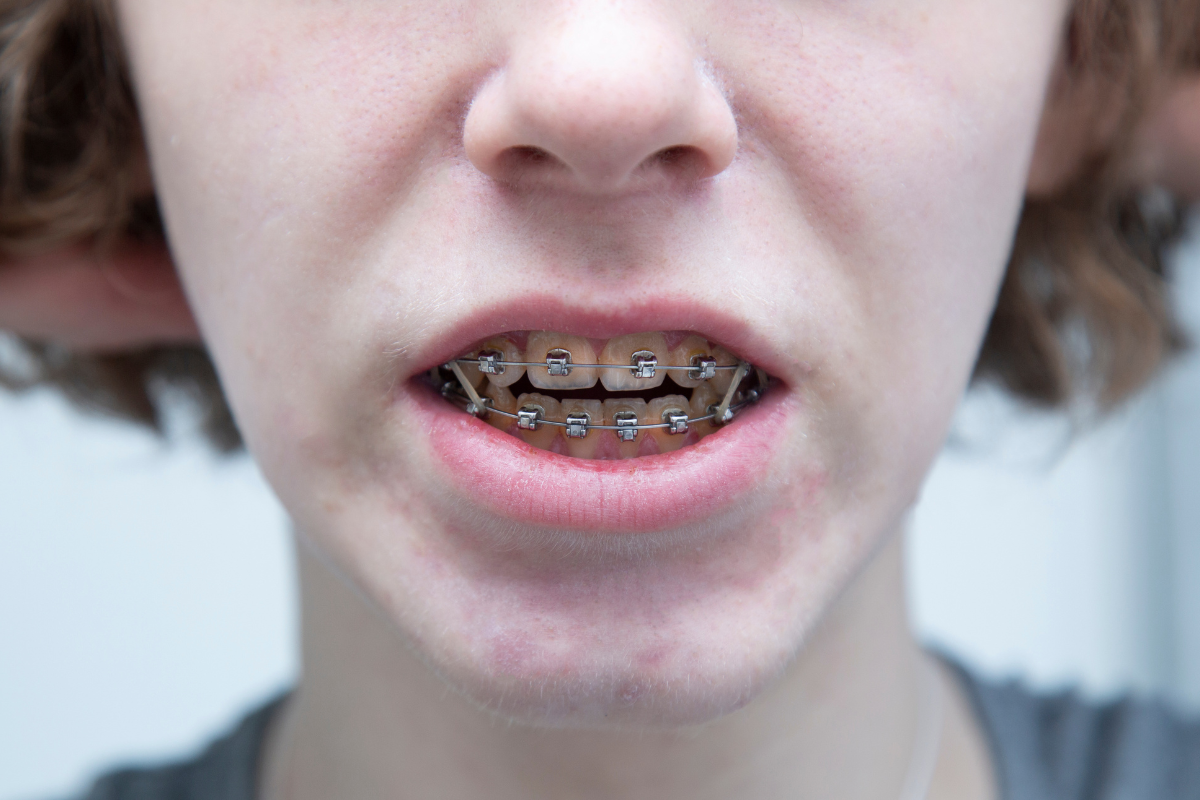
Most people think of braces as a way to fix crooked teeth, and that is true, but there is a bigger job happening behind the scenes. Braces also correct how your upper and lower teeth meet when you bite down. That relationship is called your bite, and when it is off, even by a small amount, it can lead to problems that grow more complicated the longer they go untreated. Parents and adults searching for braces in pompano beach are often surprised to learn that a bite problem caught early is far easier and less costly to fix than one that has been left alone for years.
This guide breaks down the most common bite issues, what they look like day to day, and why treating them sooner rather than later makes a real difference for your comfort, your smile, and your long term dental health.
What Exactly Is a Bad Bite?
Dentists call a bad bite a malocclusion, which simply means the upper and lower teeth do not line up the way they should when the jaw closes. A healthy bite lets you chew evenly, speak clearly, and keep pressure spread across your teeth and jaw joints. When the bite is off, that pressure gets uneven, and certain teeth or joints end up doing more work than they were built for.
A bite problem is not always obvious just by looking in the mirror. Some people have a bite issue for years without knowing it, until small symptoms start showing up, like jaw soreness, worn down teeth, or trouble chewing certain foods. This is one reason routine checkups with an orthodontist Pompano Beach families see regularly matter even when nothing feels wrong yet, since a trained eye can catch small changes long before they turn into bigger ones.
Common Bite Problems Braces Are Used to Correct
1. Overbite
This happens when the upper front teeth extend too far over the lower front teeth. A mild overbite is common, but a deep one can cause the lower teeth to bite into the roof of the mouth or gum tissue over time, which leads to irritation and uneven wear.
2. Underbite
Here the lower jaw sits further forward than the upper jaw, so the bottom teeth sit in front of the top teeth. Underbites can affect chewing efficiency and sometimes change the shape of the face if left uncorrected during growth years.
3. Crossbite
A crossbite happens when some upper teeth sit inside the lower teeth instead of outside them, either on one side or both. Left alone, a crossbite can wear down enamel unevenly and place extra strain on the jaw joint on the affected side.
4. Open bite
With an open bite, the front upper and lower teeth do not touch at all when the back teeth are together. This often makes it hard to bite into food properly and can affect speech, particularly certain sounds that need the front teeth to meet.
5. Overcrowding and spacing issues
Teeth that are too close together or too far apart change how the bite lines up as a whole. Crowded teeth are also harder to clean properly, which raises the risk of cavities and gum irritation around the areas that are hardest to reach.
Why Waiting Rarely Helps
A bite problem does not stay the same size forever. As kids grow, jaw bones are still developing, which means small bite issues can shift into bigger ones if nothing is done. In adults, teeth can continue to drift slowly over the years, especially if a bite problem is putting uneven pressure on certain teeth already.
Beyond the shifting itself, an untreated bite problem can lead to jaw pain, frequent headaches, chipped or cracked teeth from uneven chewing pressure, and gum recession in spots where teeth are being pushed against soft tissue. None of these show up overnight. They build slowly, the same way the bite problem itself built slowly, which is exactly why regular checkups matter even when nothing seems wrong yet.
Bite Problems at a Glance
| Bite Problem | What It Looks Like | Risk If Left Untreated |
| Overbite | Upper teeth cover lower teeth heavily | Gum irritation, uneven enamel wear |
| Underbite | Lower jaw sits ahead of upper jaw | Chewing trouble, facial profile changes |
| Crossbite | Upper teeth sit inside lower teeth | Jaw strain, uneven tooth wear |
| Open bite | Front teeth do not touch when biting | Speech issues, chewing difficulty |
| Crowding | Teeth overlap or sit too close | Harder cleaning, higher cavity risk |
How Braces Correct These Problems
Braces work by applying steady, gentle pressure over time, guiding teeth and, in growing patients, supporting jaw alignment into a healthier position. Depending on the type of bite issue, a provider may combine standard brackets with additional tools like elastics, expanders, or spacers to guide the jaw and teeth into better alignment together, not just in a straight line.
The timeline depends on the bite problem itself. Mild spacing issues may take less time to correct than a deep overbite or a significant crossbite, since those often involve both tooth position and jaw alignment working together. This is part of why an accurate exam matters so much before any treatment plan begins. Families searching for braces in pompano beach often start with a simple consultation, where X-rays and a physical exam determine exactly which type of bite issue is present and how best to approach it.
Not every bite correction case looks the same, even when two patients have a similar diagnosis on paper. A younger patient still growing may respond differently to certain appliances than an adult whose jaw has finished developing, which is why treatment plans are built around each person’s specific bite pattern, age, and daily habits rather than a one size fits all approach. Comparing braces in Pompano Beach against other regions online will not tell you much, since so much of the plan depends on what a hands on exam actually finds.
Know Our Doctors
At Lighthouse Point Orthodontics, every bite evaluation and treatment plan is guided by experienced, board certified providers who understand how bite problems develop and how to correct them properly.
Dr. Dan Rozen graduated from the University of Florida College of Dentistry, then completed three additional years of specialty training in orthodontics at New York University. During his time at NYU, he took part in clinical research and published peer reviewed papers related to accelerated orthodontic treatment. He holds the highest distinction in the field as a diplomate of the American Board of Orthodontics. As a second generation orthodontist, Dr. Dan still practices alongside his father a few days each month at their family office in Coral Springs, and he regularly attends continuing education courses to stay current on new bite correction techniques.
Dr. Derek Haber grew up in Miami and is fluent in both English and Spanish, which helps him communicate clearly with a wide range of patients and families. He earned his Bachelor of Arts in Chemistry from Florida International University, graduating Cum Laude, then completed dental school at the University of Pennsylvania, graduating at the top of his class. He went on to earn a certificate in Periodontics and a Master’s of Dental Science in Oral Biology from the University of Florida, before completing his orthodontic training in New York City. Patients often describe him as thorough, patient, and easy to talk to about treatment options.
Together, this team brings years of combined training to every consultation, which is a big reason so many families turn to an orthodontist Pompano Beach parents and adults already trust for bite correction and general orthodontic care.
What Our Patients Say
Reviews from real patients often explain the day to day experience better than any description ever could.
“Dr. Rosen is awesome !! From the beginning of my treatment until now, nearing its completion, Dr. Rosen has made this a wonderful experience. The customer service is excellent, I’m always informed about my progress, and I never feel pain !! The staff is also excellent. I would recommend Dr. Rosen and Lighthouse Pointe Ortho any day !!”
★★★★★ — (Timmoy Green)
Feedback like this reflects the kind of clear planning and steady follow up patients receive here, whether the concern is a simple spacing issue or a more involved bite correction.
Frequently Asked Questions
1. How do I know if my bite actually needs to be treated?
A dental exam is the most reliable way to know, since some bite issues are not obvious just by looking in a mirror.
2. At what age should a child first see an orthodontic provider?
Most dental groups recommend an initial evaluation around age seven, even if braces are not needed yet at that point.
3. Can adults still fix a bite problem, or is it too late by then?
Adults can absolutely correct bite issues. Treatment may take a bit longer since jaw growth has finished, but the results are still effective.
4. Does correcting a bite always require metal braces?
Not always. Some bite issues can be treated with clear aligners, though certain cases genuinely need traditional brackets and wires for the best result.
5. Will treatment hurt or feel uncomfortable?
Mild soreness after adjustments is normal for a day or two, but it is not the kind of pain that should stop daily activities.
6. How long does bite correction usually take?
It depends heavily on the type and severity of the issue, ranging from several months for minor cases to a couple of years for more complex ones.
7. Can a bad bite come back after treatment is finished?
Yes, without a retainer worn as directed, teeth can shift back over time, which is why retention is part of every treatment plan.
8. Is a bite evaluation covered by dental insurance?
Coverage varies by plan, so it helps to check directly with your provider’s office, which can usually verify benefits before your first visit.
Ready to Get Your Bite Checked?
A bite problem rarely gets better on its own, and catching it early almost always makes treatment simpler and more comfortable. If you have noticed jaw discomfort, uneven wear on your teeth, or you are simply due for a checkup, our team at Lighthouse Point Orthodontics is ready to help. For general background on childhood and adult orthodontic timing, the American Association of Orthodontists is a solid, trusted resource for families weighing their options.
Whether you are exploring braces in Pompano Beach for the first time or looking for a second opinion from an orthodontist pompano beach families have relied on for years, schedule a consultation with us today and take the first step toward a healthier, more comfortable bite.