954-719-7955
Early Orthodontic Treatment for Kids: When to Start and Why It Matters

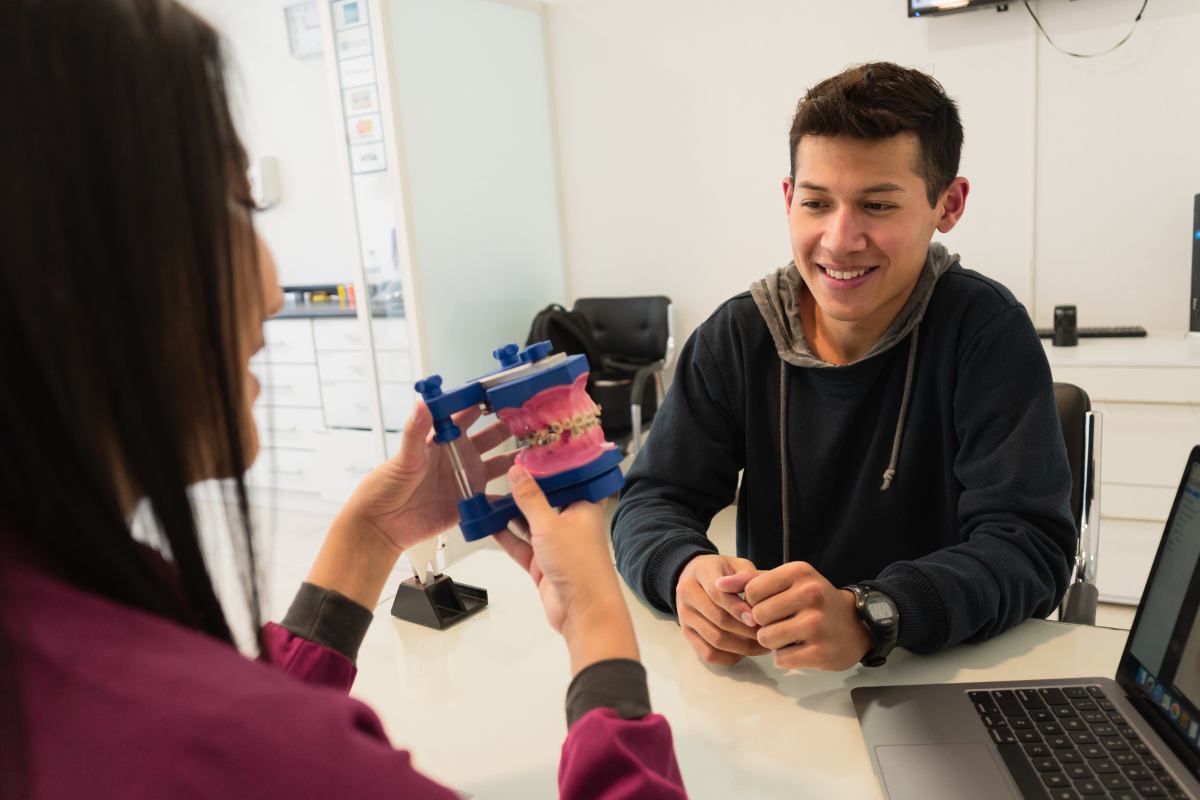
Most parents assume braces are a teenage thing. But here’s what many don’t know: the best time to catch certain bite and alignment problems is much earlier than you’d think. Getting your child evaluated by an orthodontist before issues become serious can save time, money, and discomfort down the road.
This guide walks you through what early orthodontic treatment looks like, when to start, and why acting early makes a real difference.
What Is Early Orthodontic Treatment?
Early orthodontic treatment (also called Phase 1 treatment) is care that happens while a child still has most of their baby teeth. It’s not about rushing braces. It’s about spotting problems that are easier to fix when a child’s jaw is still growing.
An orthodontist looks at how the teeth come in, how the jaws line up, and whether there are habits (like thumb-sucking) that could cause problems over time.
The Right Age for a First Orthodontic Visit
The American Association of Orthodontists recommends that children have their first orthodontic screening by age 7. At this point, the first adult molars have usually come in, and a trained orthodontist can spot issues with bite alignment, crowding, or jaw growth.
This doesn’t mean your child will need treatment right away. Many kids are simply monitored until the right time. But knowing early gives you a head start.
If you’ve been searching for an orthodontist near me to get your child evaluated, this is the right time to book that first visit.
Signs Your Child May Need Early Evaluation
You don’t always have to wait for an obvious problem. Here are some things to watch for:
- Baby teeth falling out much too early or too late
- Difficulty chewing or biting food
- Mouth breathing or snoring during sleep
- Crowded, misplaced, or blocked teeth
- Thumb-sucking past age 4 or 5
- Jaws that shift, pop, or click
- Teeth that don’t come together properly when biting
If you notice any of these in your child, talking to an orthodontist sooner rather than later is a smart step.
Why Starting Early Matters
Kids’ jaws are still developing during the early years. This is actually an advantage. During growth, bone responds more easily to guidance. An orthodontist can use simple appliances to gently redirect jaw growth before it’s fully set.
Waiting too long can turn a manageable issue into one that needs more complex treatment, and in some cases, surgery. Addressing things early often means shorter treatment later, fewer teeth removed, and better long-term results.
Here’s what early treatment can address:
Crossbites: When upper teeth bite inside lower teeth. Left untreated, this can cause jaw shifting and uneven growth.
Underbites: When the lower jaw sits in front of the upper jaw. These respond well to early care when the jaw is still growing.
Severe crowding: Creating space early can help adult teeth come in where they should, reducing the need for extractions later.
Protruding front teeth: These are more prone to chipping or injury. Early treatment can reduce the risk.
What Early Treatment Actually Looks Like
Phase 1 treatment usually starts between ages 7 and 10. It often involves a removable or fixed appliance (not full braces) that gently moves the jaw or holds space for adult teeth.
Common tools include:
- Palate expanders: Widen the upper jaw to create room for incoming teeth
- Space maintainers: Hold space open after a baby tooth is lost early
- Partial braces: Used on specific teeth that need early correction
- Retainers or removable appliances: Guide jaw growth
After Phase 1, your child will be monitored through a resting phase until more adult teeth come in. Phase 2 (full braces or aligners) typically follows in the teen years.
Phase 1 vs Phase 2: Understanding the Difference
Phase 1 is about the foundation. It guides jaw development and creates the right conditions for adult teeth.
Phase 2 fine-tunes everything once most or all adult teeth are in. Together, they often result in a more stable, lasting outcome than starting treatment late with full braces alone.
Not every child needs Phase 1. A good orthodontist will be honest about whether early treatment is truly needed or if monitoring is the better choice.
How to Choose the Right Orthodontist for Your Child
Choosing someone your child feels comfortable with matters just as much as clinical skill. Here’s what to look for:
- A specialist (orthodontist, not a general dentist offering braces on the side)
- A welcoming, child-friendly environment
- Clear communication about treatment plans and costs
- Flexible scheduling for school-age kids
- Easy access from your home or your child’s school
Many families start their search by looking up an orthodontist near me, which is a practical first step. Look for someone who offers a complimentary initial exam and takes time to explain options without pressure.
Local Families: What to Expect in South Florida
Families in the South Florida area are lucky to have access to good orthodontic care year-round. With a mix of young families, active kids, and a warm climate that keeps kids outdoors and in sports, early dental injuries and misalignments are common concerns here.
Kids who play sports especially benefit from getting a bite and alignment check early. A misaligned bite can affect how a mouthguard fits, which matters for safety.
Whether your child is in elementary school or just starting middle school, finding a trusted orthodontist near me gives you peace of mind and a clear plan forward.
Conclusion
Early orthodontic treatment isn’t about rushing your child into braces. It’s about catching issues while they’re still easy to fix. A simple evaluation at age 7 can tell you a lot and give your child the best shot at a healthy smile that lasts a lifetime.
If you’re looking for a trusted orthodontist in your area, Lighthouse Point Orthodontics offers caring, expert evaluations for children of all ages. You can schedule a consultation with Lighthouse Point Orthodontics to find out whether your child could benefit from early care. If you have questions or want to learn more, contact our Lighthouse Point Orthodontics office and a friendly team member will be happy to help.
Taking that first step is easy. The impact lasts a lifetime.
Frequently Asked Questions
1. At what age should my child first see an orthodontist?
Age 7 is the recommended age for a first evaluation. This is when enough adult teeth are present to spot potential issues early.
2. Does my child need a referral to see an orthodontist?
No referral is needed in most cases. You can book directly with an orthodontic practice.
3. What if my child is scared of dental appointments?
That’s completely normal. A good practice will take time to make your child feel at ease before any treatment begins.
4. Is early treatment always necessary?
No. Many children don’t need Phase 1 treatment. An evaluation simply confirms whether early care is helpful or if waiting makes more sense.
5. How long does Phase 1 treatment usually take?
It varies, but most Phase 1 treatment lasts between 9 and 18 months, followed by a monitoring period.
6. Will my child still need braces after early treatment?
Many children do go on to have Phase 2 treatment (braces or aligners), but early care often makes that phase shorter and simpler.
7. Does insurance cover early orthodontic treatment?
Many dental insurance plans include some orthodontic coverage for children. It’s worth calling your insurer before your first visit.
8. Can thumb-sucking really cause lasting damage?
Yes, if it continues past age 4 or 5. It can push teeth forward and affect how the jaw develops over time. An orthodontist can help guide parents on when and how to address this habit.