954-719-7955
Why Your Teeth Keep Shifting Even After Orthodontic Treatment (And How to Prevent It Permanently)

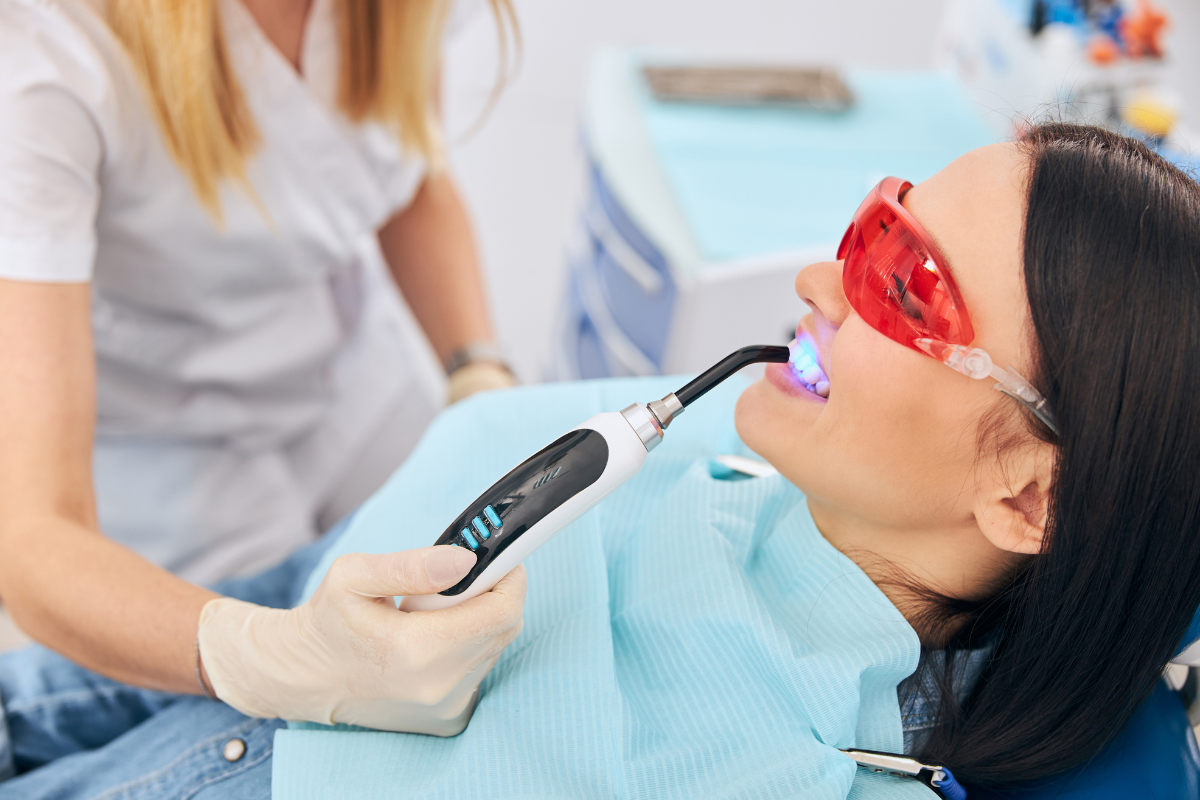
You finally got your braces off. Your smile looks great. Then, a few months later, you notice something feels different. Maybe a tooth looks slightly out of place. Maybe your bite feels a little off.
This happens more often than people expect, and it is not a sign that something went wrong. It is actually a very common concern that a good orthodontist will always prepare you for.
Here is what is really going on, and how you can stop it from happening again.
Why Teeth Move After Treatment
Your teeth are not locked in place. They sit in soft tissue and bone that responds to pressure over time. Once braces or aligners are removed, that pressure is gone, and your teeth naturally want to drift back toward where they were.
This process is called relapse. It can happen slowly over months or even years. The speed depends on several factors, including your age, the original position of your teeth, and whether you follow through with your retention plan.
One key thing most people do not realize: your jawbone needs time to harden around your newly positioned teeth. Until that happens, even small forces like chewing, talking, or grinding can shift things.
Common Reasons Teeth Shift
Not wearing your retainer consistently
This is the number one reason teeth shift after treatment. A retainer holds your teeth in their new position while the bone around them stabilizes. Skipping even a few nights in a row can cause noticeable movement over time.
Natural aging
As you get older, your jaw changes. The lower front teeth tend to crowd again even in people who never had braces. This is a natural process, not a failure of your previous treatment.
Wisdom teeth
Many patients worry that wisdom teeth push other teeth forward. The research on this is mixed, but crowding near the back of the mouth can create pressure that travels forward. Your orthodontist can help you figure out whether your wisdom teeth are a concern.
Gum disease or bone loss
When the gum and bone support around your teeth weakens, teeth become more mobile. This is why keeping up with your regular dental visits matters, not just your orthodontic check-ins.
Grinding or clenching
Night grinding puts consistent pressure on your teeth and can shift them over time. A custom night guard can protect against this.
How to Keep Your Smile Stable Long-Term
Wear your retainer as directed
Most orthodontists recommend wearing retainers every night for life. That sounds like a lot, but it becomes habit quickly. The cost of replacing a retainer is far less than the cost of retreating shifted teeth.
Get retainer check-ups
Retainers can crack, warp, or stop fitting properly over time. Seeing your orthodontist once or twice a year to check the fit keeps small problems from turning into big ones.
Maintain good oral hygiene
Healthy gums and bone support stable teeth. Brush twice a day, floss daily, and see your dentist for regular cleanings. If you search for a orthodontist, make sure you are seeing someone consistently, not just when something hurts.
Address grinding early
If you wake up with jaw soreness or headaches, mention it at your next visit. A simple night guard can prevent a surprising amount of tooth movement.
Act quickly if something feels off
If your retainer suddenly feels tight or a tooth looks different, do not wait. The sooner you address a small shift, the easier it is to correct. Reach out to an orthodontist before the movement becomes more significant.
What Your Retention Plan Should Look Like
A good retention plan is not one-size-fits-all. After treatment, your orthodontist should walk you through exactly what type of retainer you need (removable or bonded), how long to wear it, and how often to come in for follow-ups.
Bonded retainers are small wires fixed behind your front teeth. You cannot remove them, which makes compliance easy. But they require careful cleaning and periodic checks to make sure the wire has not broken or come loose without you noticing.
Removable retainers, like Hawley or clear retainers, need to be worn consistently. Clear retainers are popular because they are nearly invisible, but they can crack or stain and may need to be replaced every few years.
Ask your orthodontist which option fits your lifestyle and your specific case.
When Shifting Has Already Happened
If you have noticed movement and it has been a while since your last check-in, you have options. Minor relapse can sometimes be corrected with a new retainer alone. More significant shifting may require a short round of clear aligners or braces.
The important thing is not to ignore it. Many adults are surprised to learn how quickly and comfortably minor orthodontic corrections can be done today. Searching for an orthodontist near me is a good starting point if you have not been seen in a while.
Localized Note for South Florida Residents
South Florida has a high percentage of adults who completed orthodontic treatment as teenagers but have since gone years without wearing a retainer. The warm climate, busy lifestyle, and long gap between teen years and adulthood often means retention falls off the radar entirely.
If you live in the Pompano Beach or greater Broward County area and have noticed changes in your smile, you are not alone. Many local patients come in after years away and are relieved to find that their options are more manageable than they expected. Finding an orthodontist or an orthodontist near me in your specific zip code is the first step toward getting an honest assessment.
Frequently Asked Questions
1. How long do I need to wear a retainer after braces?
Most orthodontists recommend wearing your retainer every night indefinitely. The bone around your teeth never fully stops adapting, so consistent retainer use is the most reliable way to protect your results.
2. Can teeth shift even if I wear my retainer?
Some minor natural movement can still happen, especially with aging. But consistent retainer use significantly reduces the amount and speed of any shifting.
3. What happens if I stop wearing my retainer for a few months?
Try putting it back in. If it fits with mild tightness, wear it consistently and see if it settles. If it no longer fits or causes pain, see your orthodontist before forcing it.
4. Is it too late to fix shifting if years have passed?
No. Adults of all ages successfully complete orthodontic corrections. The process may take longer depending on how much movement occurred, but it is rarely too late to improve your smile.
5. Do bonded retainers last forever?
Bonded retainers can last many years, but they do break or come loose. Regular check-ups help catch issues early before teeth have a chance to shift.
6. Can I get clear aligners instead of traditional braces for relapse correction?
In many cases, yes. Clear aligners are a common option for adults with minor to moderate relapse. Your orthodontist will evaluate whether they are appropriate for your situation.
7. How much does retreatment cost if teeth have shifted?
Costs vary depending on the extent of movement and the type of treatment needed. Some minor corrections are quite affordable. The best way to understand your options is to schedule a consultation.
8. Does teeth grinding always cause shifting?
Not always, but it is a significant risk factor. Grinding creates irregular forces on your teeth over time. If you grind, a night guard is a smart protective measure.
Conclusion
Teeth shifting after orthodontic treatment is common, but it is not something you have to accept. The right retainer, consistent habits, and regular check-ins with your orthodontist make a real difference over the long term. If it has been a while since your last check-up, or if you have noticed changes in your bite or smile, now is a good time to get things looked at. An orthodontist near me search can help you find qualified care close to home.
If you are in the Pompano Beach area, schedule a consultation with Lighthouse Point Orthodontics to talk through your retention plan or explore your options for correction. No pressure, just a clear picture of where things stand. You can contact our Lighthouse Point Orthodontics office directly to book your visit. A stable, healthy smile is worth protecting, and it starts with one simple appointment.