954-719-7955
Orthodontic Relapse: Why Teeth Shift After Treatment

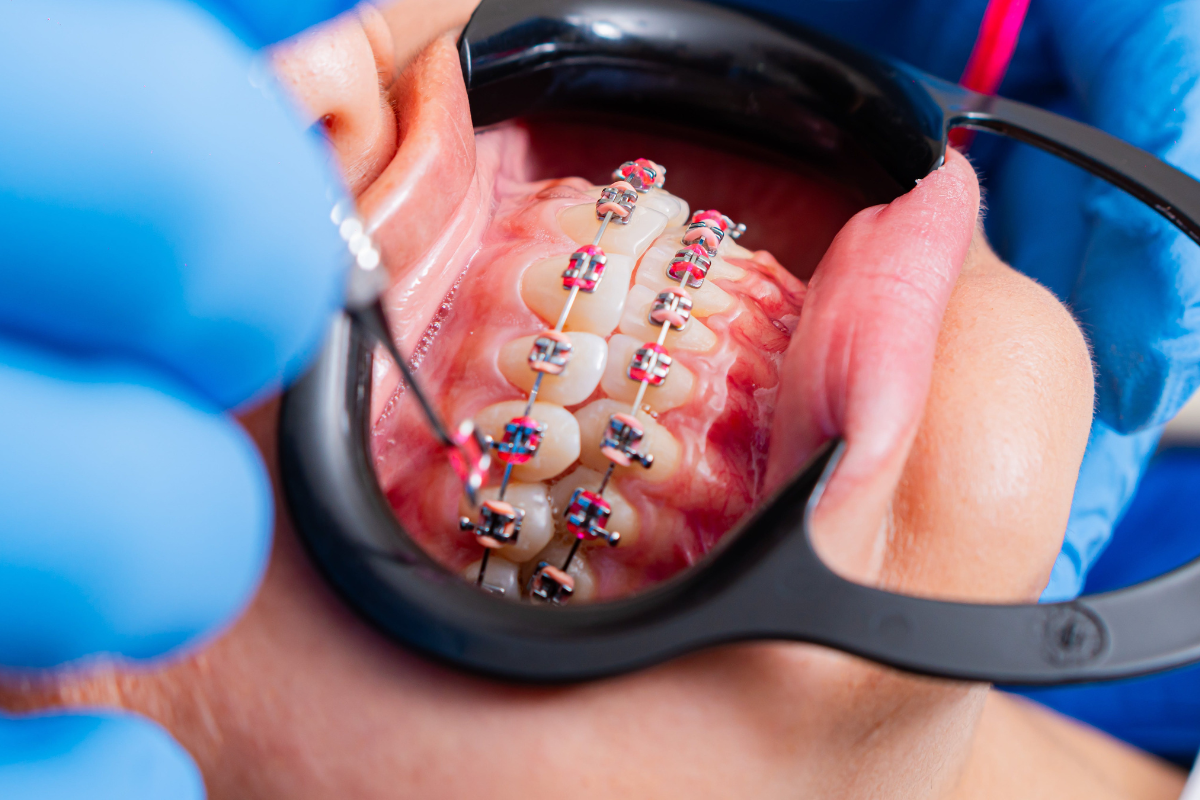
You spent months (maybe years) in braces or aligners. Your teeth looked perfect the day your treatment ended. Then, slowly, things started to shift. Sound familiar? You are not alone.
Orthodontic relapse is one of the most common concerns patients bring up after treatment. Understanding why it happens, and what you can do about it, can save your smile for life.
What Is Orthodontic Relapse?
Orthodontic relapse means your teeth have moved back toward their original position after treatment. This can happen weeks, months, or even years after your braces or aligners come off.
It does not mean your treatment failed. It means the retention phase, the step that comes after active treatment, needs attention.
Why Do Teeth Shift After Treatment?
Teeth are held in place by the bone and soft tissue around them. When braces move your teeth, the surrounding tissue needs time to adapt to the new positions. This process takes longer than most people expect.
Here are the main reasons relapse happens:
Not wearing your retainer
This is the number one cause. Once braces come off, a retainer holds your teeth in their new spots. Skipping it, even for a few days, gives teeth room to drift.
Natural aging
As you get older, your jaw and facial structure change. This puts pressure on teeth and can cause crowding over time, especially on the lower front teeth.
Wisdom teeth
When wisdom teeth push through, they can press against the other teeth. This pressure can cause shifting, even if you had a perfect result from treatment.
Gum and bone health
If gum disease or bone loss is present, teeth become less stable. They move more easily without the support they need.
Tongue and lip habits
Habits like tongue thrusting or biting your lip can apply constant pressure to teeth. Over time, this pushes them out of alignment.
The Role of Retainers in Keeping Your Smile Stable
Retainers are not optional. They are a required part of your orthodontic treatment. Think of them as the step that protects everything you worked for.
There are two main types:
Removable retainers
These are worn at night. They are easy to use but rely on you remembering to put them in.
Fixed retainers
A thin wire is bonded behind your front teeth. It works quietly without any daily effort. Many patients prefer this option for long-term protection.
A good orthodontist will talk through both options with you and help you decide what fits your lifestyle best. If you are unsure which type is right for you, searching for an orthodontist near me is a smart first step to getting that guidance locally.
Signs That Your Teeth May Be Shifting
Catching relapse early makes it much easier to correct. Watch for these signs:
- Your retainer feels tight when you put it in
- Gaps are forming between teeth that were previously closed
- Your bite feels different when you chew
- Your front teeth are starting to overlap or crowd again
- You notice visible spacing where there was none before
If your retainer no longer fits comfortably, do not force it. Contact your orthodontist right away. A retainer that does not fit is a sign that movement has already happened.
How to Prevent Orthodontic Relapse
Prevention is straightforward if you stay consistent.
Wear your retainer as directed
In the first year after treatment, most patients wear it every night. Over time, your orthodontist may reduce that to a few nights per week. The key is not to stop entirely.
Keep up with dental visits
Regular checkups catch small shifts before they become big problems.
Tell your dentist about wisdom teeth
If your wisdom teeth have not come in yet, monitoring them helps you stay ahead of any pressure they might cause.
Address gum health
Healthy gums support stable teeth. If you notice bleeding, swelling, or tenderness, get it checked promptly.
Replace worn retainers
Retainers break or warp over time. A damaged retainer is not doing its job. Replacing it is far less expensive than retreatment.
What Happens If You Ignore Shifting Teeth
Minor shifting can become a major alignment problem if left alone. What starts as a slightly crooked tooth can progress into significant crowding or bite issues over months and years.
Relapse that is caught early can often be corrected with a new or adjusted retainer. If it goes on too long, you may need to go through part of the treatment process again.
Patients in the Pompano Beach area have access to several dental providers, but not every office offers the same level of post-treatment support or monitoring. Choosing a practice that stays involved after your treatment ends makes a real difference in your long-term results.
Getting Help Locally
If you have noticed shifting or have not worn your retainer in a while, the first step is a simple check-in appointment. An orthodontist can look at your current alignment, compare it to your original result, and advise on the best path forward.
For anyone in the Pompano Beach area or nearby communities like Fort Lauderdale, Deerfield Beach, or Coral Springs, there are good options available. Lighthouse Point Orthodontics is one practice that focuses specifically on this kind of ongoing care. The team there handles everything from initial consultations to post-treatment monitoring and retainer replacement.
If you have been typing orthodontist near me into your phone trying to figure out where to start, looking for a provider who takes the retention phase seriously, not just the active treatment phase, is a wise move.
Conclusion
Orthodontic relapse is preventable in most cases. The work does not end when your braces come off. Wearing your retainer, staying on top of dental visits, and watching for early signs of shifting are what protect your smile for the long run.
If you are seeing changes in your alignment or have questions about your retainer routine, do not wait. Schedule a consultation with Lighthouse Point Orthodontics and get a clear picture of where things stand. An experienced orthodontist can help you understand your options and get your smile back on track without the guesswork.
Your smile is worth protecting. Take the next step today.
Frequently Asked Questions
1. How long does orthodontic relapse take to happen?
It varies. Some people notice small shifts within weeks of stopping retainer use. Others may see gradual movement over months or years. The earlier you catch it, the easier it is to address.
2. Can I fix relapse without going back to full braces?
In many cases, yes. Minor relapse caught early can sometimes be corrected with a new retainer or a short round of aligner treatment. This depends on how much movement has occurred.
3. Is it normal for teeth to feel slightly loose after braces come off?
A small amount of natural tooth movement is normal because the bone is still settling. However, if teeth feel unstable or are visibly shifting, that needs to be checked by a professional.
4. How often should I replace my retainer?
Removable retainers typically last one to five years depending on how well they are cared for. If yours feels loose, cracked, or no longer fits well, it is time for a replacement.
5. What if I lost my retainer and my teeth have already moved?
Do not just order a replacement retainer based on old records. Visit your orthodontist first so they can assess how much movement has occurred and decide on the right next step.
6. Are fixed retainers better than removable ones?
Both have benefits. Fixed retainers are always in place and do not rely on patient compliance. Removable ones are easier to clean around. Many people do well with both types working together.
7. Can wisdom teeth really cause orthodontic relapse?
The connection is debated among professionals, but pressure from erupting wisdom teeth can contribute to crowding. Monitoring them after orthodontic treatment is a reasonable precaution.
8. At what age is relapse most common?
Relapse can happen at any age, but young adults in their late teens and twenties often see it more because of ongoing jaw development and the tendency to stop wearing retainers consistently.