954-719-7955
How Orthodontic Problems Can Cause Digestive Issues

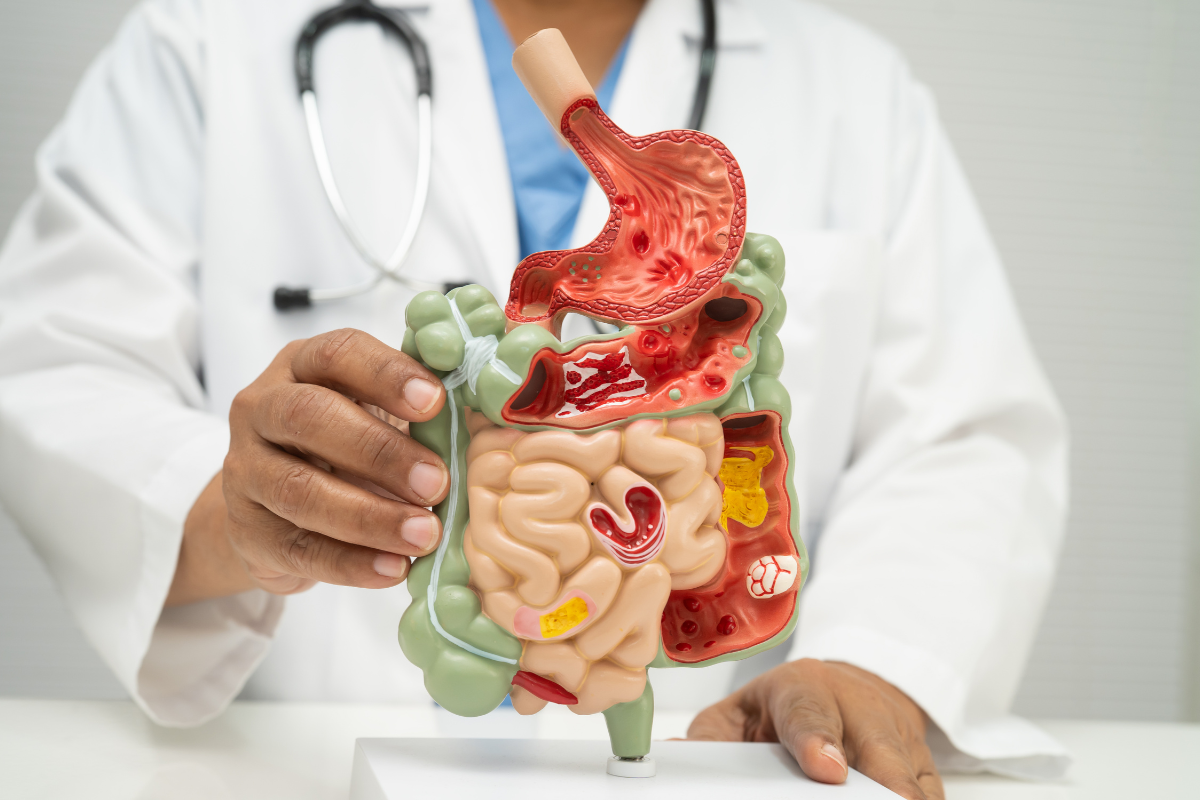
Most people think of crooked teeth as just a cosmetic problem. But the truth is, how your teeth fit together affects a lot more than your smile. It can affect how well you digest your food, too.
If you have misaligned teeth or a bad bite, your digestive system may be working harder than it needs to. Here is what you need to know.
The Connection Between Your Mouth and Your Gut
Digestion starts in your mouth, not your stomach. When you chew food, your teeth break it down into smaller pieces. Saliva mixes in, and enzymes begin breaking down starches right away.
When your teeth are misaligned, that first step gets disrupted. You end up swallowing larger food pieces. Your stomach then has to work overtime to compensate. Over time, this can lead to bloating, gas, acid reflux, and even nutrient deficiencies.
This is why visiting an orthodontist near me is not just about getting a better smile. It is about protecting your overall health.
How a Bad Bite Affects Chewing
A proper bite means your upper and lower teeth come together evenly. When they do not, some teeth take on more pressure than others. Certain foods, especially raw vegetables, lean meats, and fibrous foods, do not get chewed properly.
Here is what a misaligned bite can lead to:
- Swallowing large food chunks that are hard to digest
- Avoiding healthy foods because they are too difficult to chew
- Putting extra strain on your jaw muscles
- Developing TMJ (jaw joint) discomfort over time
Residents across Broward County, including those in Pompano Beach, Coconut Creek, Deerfield Beach, and Coral Springs, often seek bite correction treatment once they realize how much it affects their daily life.
Specific Orthodontic Issues That Impact Digestion
Not all orthodontic problems cause the same issues. Here are the most common ones linked to digestive trouble:
Crowded Teeth
When teeth overlap, they are harder to clean and harder to use effectively. Food gets stuck more easily, and chewing becomes uneven.
Overbite
An overbite happens when your upper front teeth cover too much of your lower teeth. This affects how you bite into food and makes it harder to break things down properly.
Underbite
With an underbite, your lower teeth sit in front of your upper teeth. This disrupts normal chewing motion and can cause you to swallow food before it is ready.
Open Bite
An open bite means your front teeth do not touch when your mouth is closed. This makes it nearly impossible to bite into food cleanly.
Crossbite
A crossbite causes uneven wear on teeth and uneven chewing, which leads to inconsistent food breakdown.
Each of these issues can be addressed by an experienced orthodontist near me, and treating them early often prevents digestive problems from getting worse.
Signs Your Gut Issues May Be Linked to Your Bite
Many people treat digestive symptoms without ever thinking about their teeth. Watch for these signs that the two may be connected:
- Frequent bloating after meals
- Feeling full quickly even with small amounts of food
- Regular indigestion or acid reflux with no clear dietary cause
- Jaw pain or soreness after eating
- Avoiding hard or crunchy foods
- Chronic bad breath even with good hygiene
If you experience several of these, a bite evaluation could be more helpful than another antacid.
What Happens in Your Stomach When You Do Not Chew Properly
When large food pieces reach your stomach, your body struggles to process them efficiently. The stomach produces more acid to try to break things down. This leads to acid reflux or heartburn. Your intestines may also have trouble absorbing nutrients from poorly digested food.
Over time, this cycle can lead to fatigue, poor immunity, and nutritional gaps, even if you are eating a balanced diet. The problem is not always what you eat. Sometimes it is how well your body can process it.
Why Adults Are Affected Too
Orthodontic issues are not just a teenage problem. Adults deal with bite problems just as often, sometimes more so because issues that went untreated in youth become more set over time.
In South Florida, many adults are now choosing clear aligner treatment or braces to address long-standing bite problems. The dental landscape across Broward County has grown significantly, with many clinics offering orthodontic services in the area.
Among the options available, Lighthouse Point Orthodontics, located in Pompano Beach, FL, stands out for its personalized care approach and comprehensive bite evaluation process. The team focuses on both the functional and aesthetic aspects of treatment, which matters when the goal is better health, not just straighter teeth.
If you have been searching for an orthodontist in pompano beach to address bite problems that may be contributing to digestive issues, a thorough clinical evaluation is the right starting point.
The Role of Early Treatment
For children and teens, early orthodontic screening can catch bite problems before they cause lasting effects. The American Association of Orthodontists recommends a first evaluation by age seven.
Early treatment can:
- Guide jaw growth in the right direction
- Create space for incoming adult teeth
- Reduce the need for more complex treatment later
- Prevent chewing difficulties that affect digestion
Parents in Pompano Beach and nearby communities like Margate and Lighthouse Point often come in for early evaluations to get ahead of potential problems.
What to Expect From a Bite Evaluation
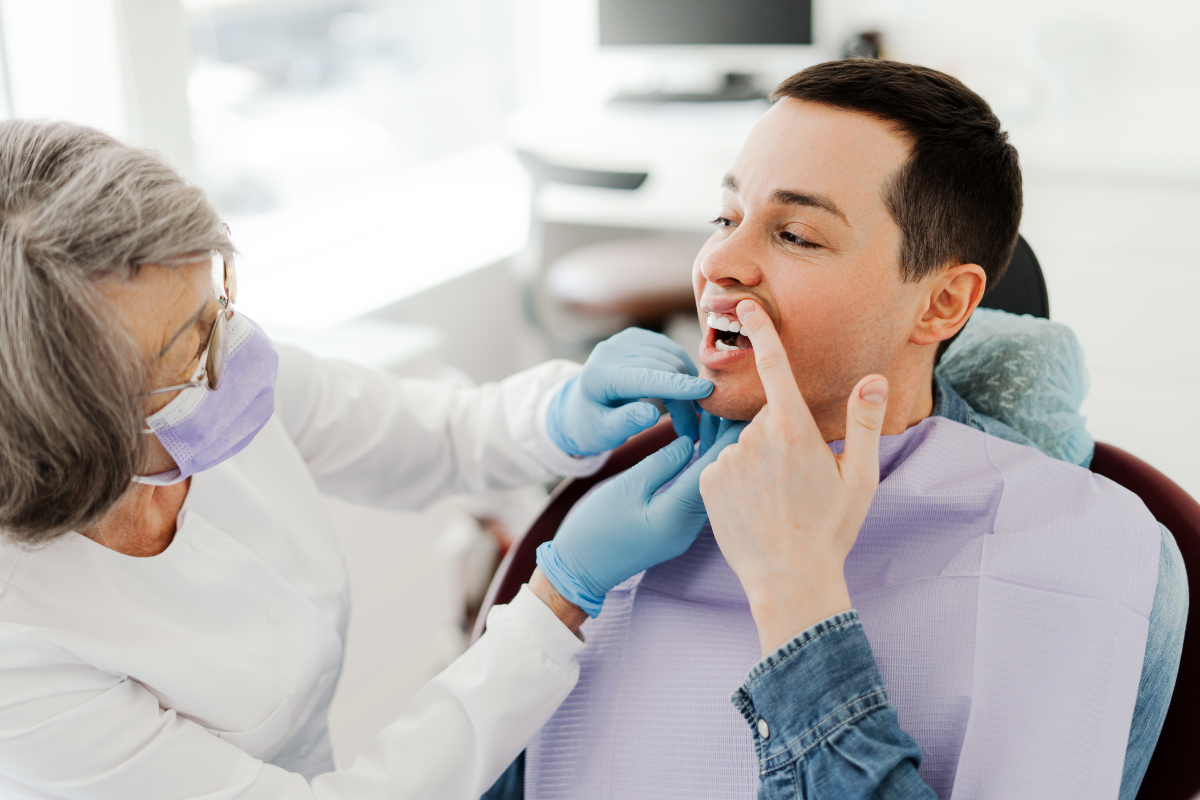
A bite evaluation is straightforward. An orthodontist will examine how your teeth come together, check for signs of uneven wear, and may take X-rays or digital scans to get a full picture of your jaw structure.
From there, they will walk you through what they find and what options make sense for your situation. There is no pressure, just information so you can make the right call for your health.
Many patients who come in as an orthodontist in pompano beach patient for the first time are surprised by how much they learn in a single visit.
Treatment Options That Can Help
Depending on the issue, treatment may include:
- Traditional braces for complex bite correction
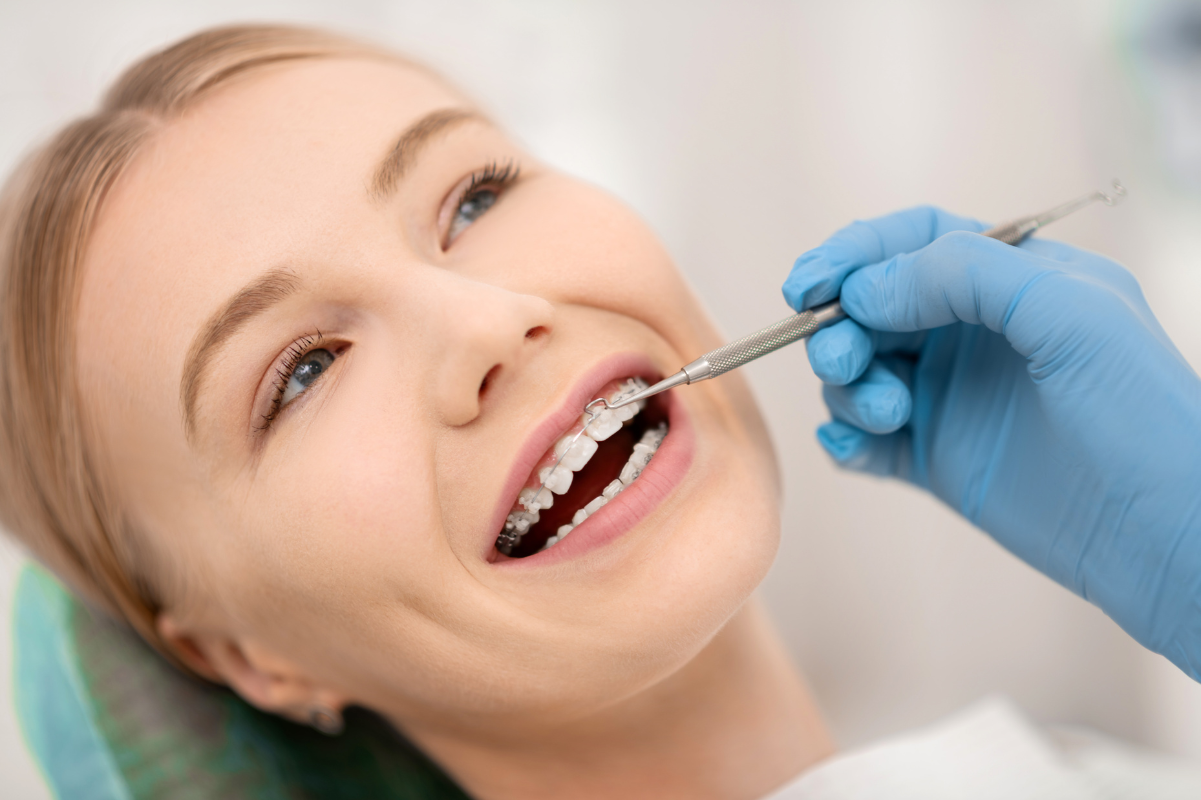
- Clear aligners for mild to moderate misalignment
- Retainers to maintain bite after active treatment
- Palate expanders for younger patients with narrow arches
Treatment timelines vary, but most patients see meaningful improvement within 12 to 24 months. Some notice changes in their chewing comfort and digestion well before treatment is complete.
Conclusion
Your teeth and your gut are more connected than most people realize. If you have been dealing with unexplained digestive issues, the answer might be sitting right in your mouth.
Getting a bite evaluation is a simple step that can lead to big health improvements. Whether you are dealing with crowding, an overbite, or an open bite, there are real solutions available.
If you are looking for an orthodontist near me in the Pompano Beach or greater Broward County area, Lighthouse Point Orthodontics offers thorough evaluations and treatment plans built around your needs. The team is experienced in addressing the functional side of orthodontic care, not just how your smile looks.
Schedule a consultation with Lighthouse Point Orthodontics today and take the first step toward better alignment and better health.
Frequently Asked Questions
1. Can crooked teeth really affect digestion?
Yes. Misaligned teeth affect how well you chew food. When food is not broken down properly before swallowing, your stomach has to work harder. This can cause bloating, acid reflux, and poor nutrient absorption over time.
2. How do I know if my bite is off?
Common signs include jaw pain, uneven chewing, frequent headaches, and tooth wear that looks uneven. A professional bite evaluation is the most accurate way to know.
3. At what age should someone get an orthodontic evaluation?
Children should have their first evaluation by age seven. Adults can benefit from evaluation at any age, since bite problems do not resolve on their own.
4. Is orthodontic treatment only for straightening teeth?
No. Orthodontic treatment also corrects bite issues, jaw alignment problems, and spacing concerns that can affect chewing, speaking, and digestion.
5. Can adults get orthodontic treatment for bite problems?
Yes. Adults can receive braces or clear aligners to correct bite issues. In fact, many adults seek treatment specifically for functional reasons like jaw pain or difficulty chewing.
6. How long does bite correction treatment take?
It depends on the severity of the issue. Most cases take between 12 and 24 months. Your orthodontist will give you a clearer timeline after your initial evaluation.
7. Will fixing my bite improve my digestion right away?
Some patients notice improvement in chewing comfort relatively quickly. Digestive benefits tend to follow as better chewing becomes habit. Results vary by individual case.
8. Is a bite evaluation the same as a regular dental checkup?
No. A bite evaluation is more focused. It looks specifically at how your teeth come together, jaw alignment, and any signs of bite-related problems. Your general dentist handles cleanings and decay, while an orthodontist focuses on alignment and bite.