954-719-7955
The Importance of Regular Visits to Your Orthodontist

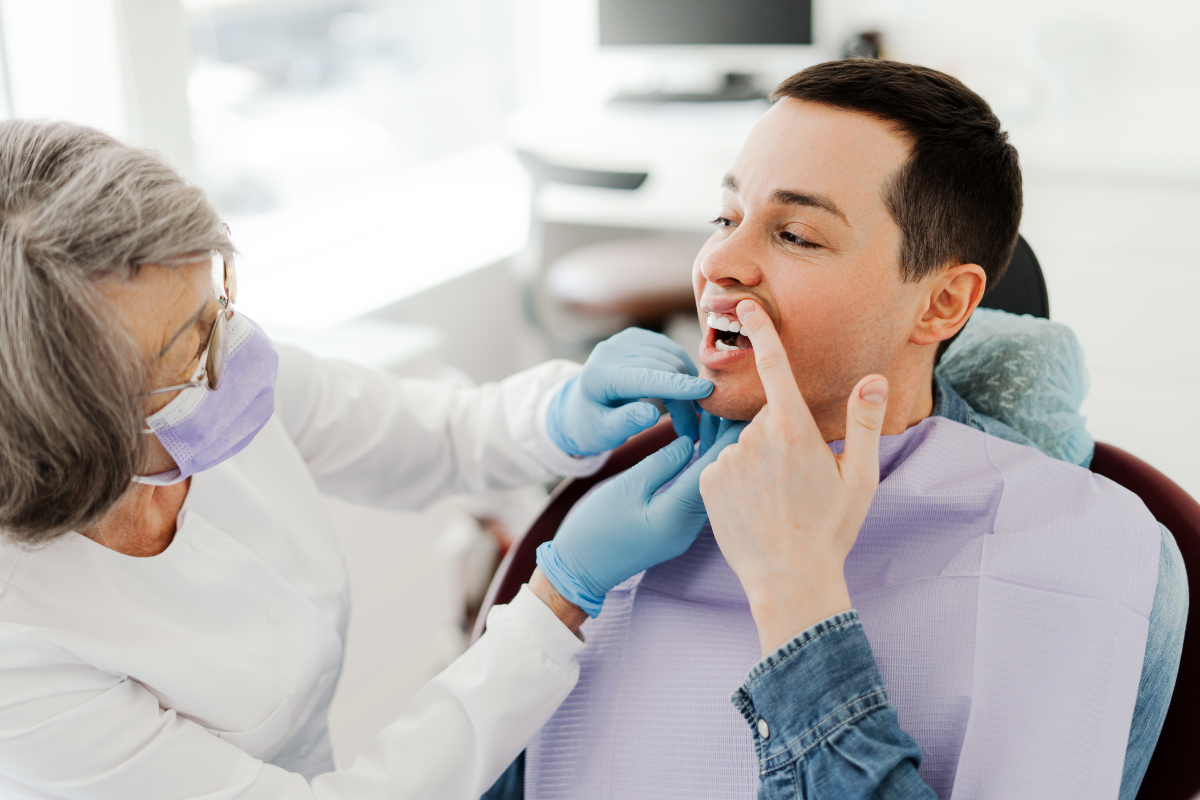
Most people think braces or aligners are a one-time fix. You get them, you wear them, you’re done. But that’s not the full picture. Your smile keeps changing throughout your life, and regular checkups play a big role in keeping it healthy and strong.
Skipping appointments might not seem like a big deal at first. Yet small issues can turn into bigger, costlier problems if they go unnoticed for too long. Let’s break down why staying consistent with your visits matters so much, and what you can do to protect your smile for years to come.
Why Consistent Care Makes a Real Difference
Teeth shift. It’s just how the mouth works. Bone structure changes, jaws grow, and daily habits like chewing, grinding, or even how you sleep can affect alignment over time. A trained orthodontist tracks these small shifts before they become bigger concerns.
Think of it like getting your car checked regularly instead of waiting for the engine to break down. Catching a loose wire or minor bite issue early is far easier (and cheaper) than fixing a full misalignment later.
Routine visits also help track how well your treatment is working. If you’re using aligners or braces, your provider needs to see how your teeth are responding. Adjustments are often necessary, and skipping these steps can slow your progress or even reverse it.
Local Factors That Affect Your Smile
Living in South Florida comes with its own set of dental challenges. The warm climate means people snack and sip on sugary drinks more often, especially during the long summer months. Add in the humidity, and dry mouth can become more common too, which raises the risk of cavities and gum irritation.
Beach towns also see higher rates of sports-related dental injuries, from surfing mishaps to weekend soccer games at the park. If you or your child plays sports regularly, your local area orthodontist can recommend the right kind of mouthguard to protect any ongoing treatment.
Water quality matters as well. Some areas rely more on well water or filtered systems, which can mean less natural fluoride exposure compared to city water. That’s one more reason routine dental monitoring is worth keeping on your calendar.
What Happens During a Routine Check-In
A lot of people picture the same rushed exam every time. In reality, a solid checkup is more thorough than that. Here’s what a well-rounded visit usually includes:
- A review of your bite and jaw alignment
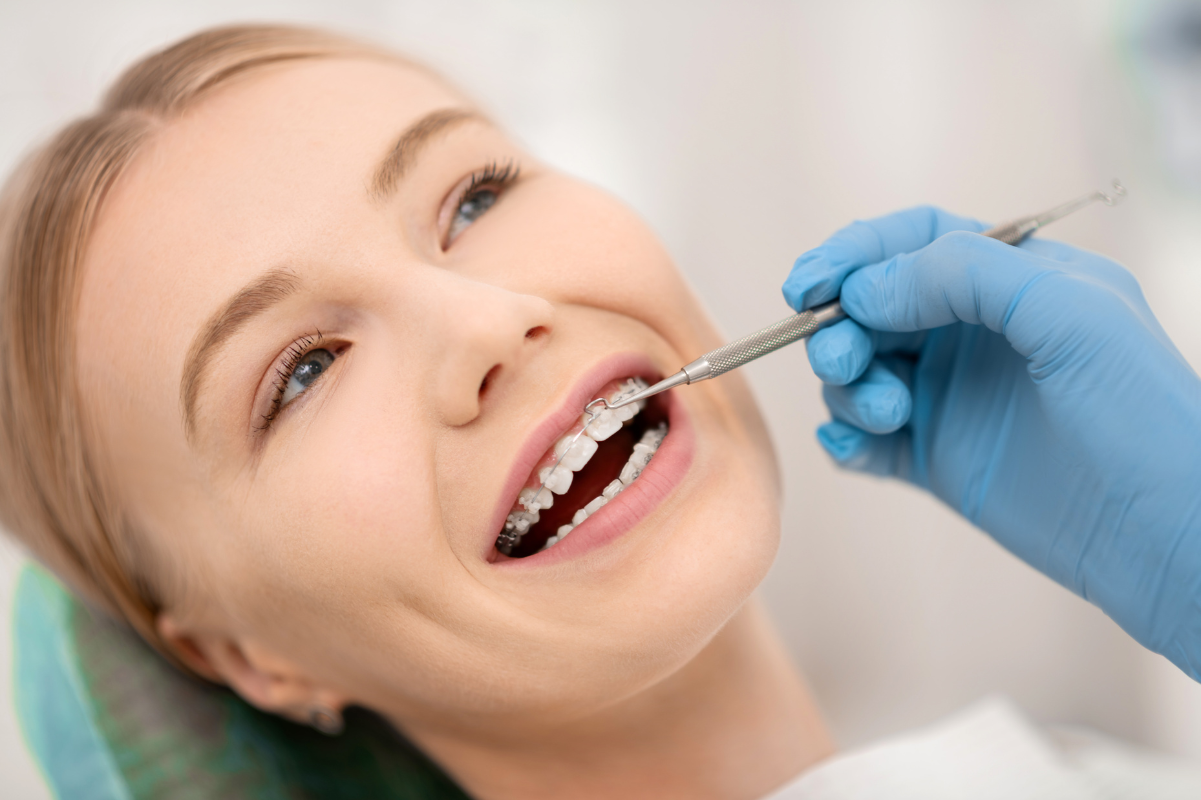
- Checking wires, brackets, or aligner fit for damage or wear
- Monitoring tooth movement against your treatment plan
- Spotting early signs of gum irritation or decay
- Adjusting your device if progress calls for it
These steps take only a short amount of time, but they carry a lot of weight for your long-term results.
The Real Cost of Skipping Appointments
Missing a visit here and there might feel harmless. But treatment plans are built on a schedule for a reason. Teeth respond to gradual, steady pressure. When you skip steps, that pressure gets thrown off, and your teeth may not move the way they’re supposed to.
This often leads to longer treatment times overall. What could have taken a year might stretch to eighteen months or more. In some cases, missed adjustments mean starting certain steps over again, which adds cost and frustration that could have been avoided.
There’s also a health side to this. Ignored wires or brackets can irritate your gums or cheeks. Left unchecked, that irritation can turn into infection. A good orthodontist catches these small problems long before they turn into something painful.
Signs You Shouldn’t Ignore
Sometimes your mouth sends signals that something needs attention sooner than your next scheduled visit. Watch for these warning signs:
- Sudden or sharp pain around your teeth or jaw
- A wire poking out or a bracket that feels loose
- Swelling or bleeding gums that won’t settle down
- Trouble chewing or biting down comfortably
- A retainer or aligner that suddenly feels too tight or too loose
If any of these come up, don’t wait it out. Reach out and get it checked as soon as you can.
Building a Habit Around Your Oral Health
Good oral care isn’t just about the appointments themselves. It’s about the daily habits that support your treatment between visits. Brushing after meals, flossing carefully around wires or brackets, and cutting back on sticky or hard foods all make a difference.
Parents often ask how to keep younger kids on track with this routine. Turning it into a simple daily habit, like brushing right after breakfast and before bed, tends to work better than strict rules. Kids respond well to consistency, not pressure.
Adults benefit from routine too. Many grown-ups now choose clear aligners for a more discreet option, but that doesn’t mean checkups matter any less. Every stage of orthodontic work, no matter your age, depends on steady monitoring from someone who understands your specific plan.
Choosing the Right Provider for Long-Term Care
Not every provider offers the same level of attention. When picking someone to guide your treatment, look at their experience with cases similar to yours, how they explain your options, and whether they take time to answer your questions without rushing you out the door.
A good orthodontist near me search should lead you to a team that treats you like a person, not just another appointment on the calendar. Ask about their approach to follow-up care and how often you’ll need to come in. That conversation alone tells you a lot about how committed they are to your results.
Pompano Beach residents have several options nearby, but not all clinics offer the same hands-on, personal approach. Lighthouse Point Orthodontics has built its reputation on clear communication and steady, honest care for patients of every age.
Frequently Asked Questions
1. How often should I schedule a checkup during active treatment?
Most people need a visit every four to eight weeks, though this depends on your specific treatment plan and device.
2. Does it hurt to have wires or aligners adjusted?
You might feel mild soreness for a day or two afterward, but it’s usually manageable with over-the-counter pain relief.
3. Can adults still benefit from treatment at any age?
Yes. Teeth can shift and be corrected at almost any age, as long as your gums and jawbone are healthy enough to support movement.
4. What happens if I miss a scheduled visit?
Your treatment timeline may stretch longer, and untreated wire or bracket issues can lead to discomfort or gum irritation.
5. How long does a typical treatment plan take?
Timelines vary widely, from several months for minor corrections to two or more years for complex cases.
6. Are checkups still needed after treatment ends?
Yes. Retainer checks help make sure your teeth stay in their new position and don’t shift back over time.
7. Is it normal for teeth to feel loose during treatment?
A little looseness is expected since teeth need to move, but sharp pain or major looseness should be checked right away.
8. What should I do if my retainer breaks?
Contact your provider quickly. Going too long without a working retainer can allow your teeth to shift out of place.
Take the Next Step Toward a Healthier Smile
Your smile deserves steady, reliable attention, not just a one-time fix. Regular checkups catch small problems early, keep your treatment on schedule, and protect your overall oral health for years down the road. Whether you’re just starting treatment or wrapping up your final stages, staying consistent is what makes the biggest difference.
If you’ve been searching for an orthodontist near me and want a team that listens, explains your options clearly, and treats you like family, now is a good time to reach out. Schedule a consultation with Lighthouse Point Orthodontics and take the next step toward a smile you’ll feel confident about every day.