954-719-7955
Cheek Biting During Orthodontic Treatment: Causes and Fixes

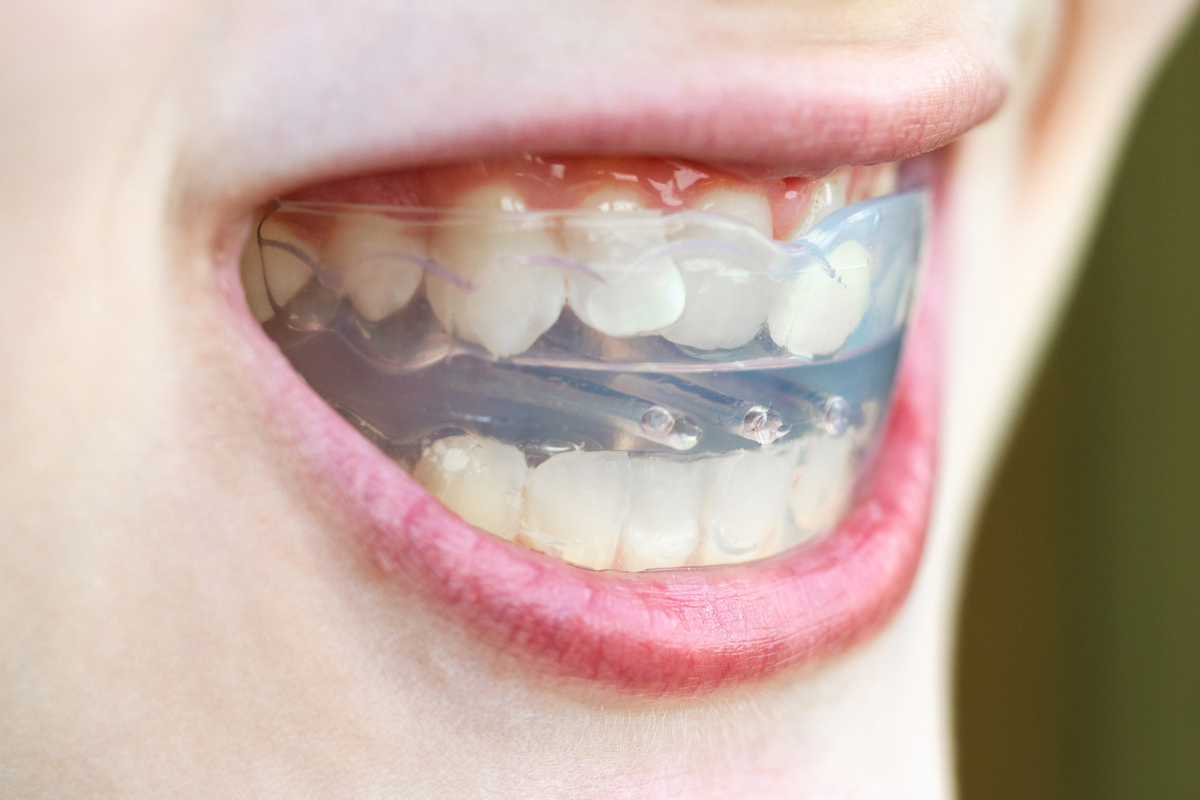
If you or your child just started wearing braces or aligners, you may have noticed something new and uncomfortable: biting the inside of your cheek. It happens more than people realize, and it is one of the most common complaints patients bring up in the first few weeks of treatment.
The good news is that cheek biting during orthodontic treatment is almost always temporary and very manageable. This guide walks you through why it happens, what you can do about it at home, and when to reach out to your orthodontist for extra help.
Why Cheek Biting Happens With Braces or Aligners
Your mouth works as a finely tuned system. Your teeth, lips, cheeks, and jaw all move together in a very specific way. When you add braces or aligners, that system gets temporarily thrown off balance.
Here are the main reasons cheek biting tends to occur during treatment:
Your Bite Is Shifting
Orthodontic treatment works by gradually moving teeth into better positions. As teeth shift, the way your upper and lower teeth come together changes. During that change, the soft tissue inside your cheeks can get caught between your back teeth or the hardware attached to them.
Brackets and Wires Add New Surfaces
Metal brackets and wires stick out slightly from the tooth surface. Your inner cheeks are not used to those extra bumps and edges. Until the tissue toughens up a little, it is easy for the cheek to slide against a bracket and get nipped during chewing.
Aligners Can Shift Cheek Position
Clear aligners add a thin layer of plastic over your teeth. This changes the overall width and contour of your bite slightly, which can push the inner cheek closer to where your teeth meet.
Most patients stop biting their cheeks consistently within three to six weeks of starting treatment. The inner cheek tissue builds up a small layer of toughened skin, and the brain adjusts the chewing pattern to avoid the hardware.
Common Triggers to Watch Out For
Some habits and situations make cheek biting more likely. Knowing these helps you avoid the problem before it turns into a sore or wound:
- Eating too quickly or without paying attention to your bite
- Chewing on one side of the mouth because the other side is sore
- Hard or chewy foods that push the teeth and cheeks together with more force
- Stress-related jaw clenching, especially at night
- Talking while chewing
For patients in the Pompano Beach area and throughout Broward County, the local lifestyle is full of great food. But items like hard bread, chewy seafood, raw vegetables, and crunchy snacks can make cheek biting noticeably worse in the early weeks of treatment.
How to Stop Cheek Biting: Practical Fixes That Work
Most of these solutions are things you can start doing at home today.
Use Orthodontic Wax
Roll a small piece of wax over any sharp bracket edge or wire end. It creates a smooth barrier between the metal and your cheek tissue. Orthodontic wax is available at most pharmacies and is completely safe to swallow in small amounts.
Switch to Softer Foods
Stick to soft foods like yogurt, mashed potatoes, pasta, scrambled eggs, soups, and soft fruits during the first few weeks of any new adjustment. These foods reduce the force placed on your cheeks during chewing.
Rinse With Warm Salt Water
Mix half a teaspoon of salt in a cup of warm water and rinse twice daily. It soothes bite wounds, reduces irritation, and helps small cuts heal faster. This is one of the simplest and most effective home remedies available.
Slow Down While Eating
Take smaller bites and chew more carefully. This sounds simple, but it genuinely lowers the chance of catching your cheek, especially during the first month of treatment.
Ask About a Night Guard
If you grind or clench your teeth while sleeping, ask your orthodontist about a night guard. Nighttime clenching puts extra pressure on the cheeks and can cause the same spot to get bitten repeatedly.
Try a Cheek Retractor
Silicone cheek retractors hold the inner cheeks slightly away from the teeth during eating. They are available at most dental supply stores and can be very helpful during adjustment periods.
When to Contact Your Orthodontist
Home remedies handle most cases well. But some situations call for a professional evaluation. You should contact your orthodontist if:
- A cheek bite wound is not healing after 10 to 14 days
- The same spot keeps getting bitten over and over
- There is swelling, lasting pain, or any sign of infection
- A bracket or wire is visibly poking into the cheek tissue
- Eating has become painful enough to affect what or how much you eat
Searching for an Orthodontist Near Me across Broward County brings up many qualified offices in places like Deerfield Beach, Fort Lauderdale, Coral Springs, and Boca Raton. Any of those practices can help with cheek biting. That said, a dedicated orthodontic office tends to have more hands-on experience with these specific soft tissue concerns because they handle them every single day.
What Your Orthodontist Can Do in the Office
There are a few in-office fixes that go well beyond what you can manage at home.
Wire Trimming and Bracket Adjustments
Sometimes the end of a wire pokes out past the last bracket. Your orthodontist can clip it down in under a minute. This is one of the most common quick fixes in an orthodontic office, and you should never feel hesitant to call and ask for it.
Bite Assessment
If cheek biting is happening because your bite is closing in a way that traps the cheek, your provider can review the current alignment and adjust the treatment plan to address that spot sooner.
Topical Numbing Gel
For patients with sore wounds that make eating difficult, a numbing gel can be applied during the visit. In some cases, you may be sent home with a small amount to use as needed between appointments.
Will It Stop on Its Own?
For most patients, yes. The cheek tissue becomes more resilient over the first one to two months of treatment. The chewing pattern naturally adjusts as well. This is a completely normal adaptation process and not a sign that anything is going wrong.
Patients who are more likely to experience ongoing cheek biting include those with:
- A significant overbite or crossbite being corrected
- A teeth grinding habit (bruxism)
- A tendency to eat fast or eat while distracted
- A history of cheek biting before treatment began
If any of these apply to you, bring it up with your Orthodontist Near Me at your next scheduled visit. Do not wait until it becomes a recurring problem.
Keeping the Rest of Your Mouth Healthy During Treatment
Small cheek wounds, even minor ones, can increase the risk of bacterial buildup if not kept clean. A simple daily routine goes a long way:
- Brush gently around brackets and wires twice each day
- Rinse with an antibacterial mouthwash at night
- Use a water flosser or floss threader to clean between brackets
- Apply orthodontic wax to any sharp spots before going to bed
- Check the inside of your cheeks once a week for returning sore spots
Good hygiene keeps wounds from getting infected and helps keep your overall treatment on track. Infected tissue can slow tooth movement and add time to your treatment.
Frequently Asked Questions
1. Is cheek biting normal when I first get braces?
Yes, it is very common. The hardware on your teeth creates new surfaces inside your mouth, and it takes a few weeks for your cheeks to adjust. Most patients see a significant drop in cheek biting within three to six weeks.
2. Can cheek biting affect my treatment timeline?
In most cases, no. Minor cheek biting does not slow down tooth movement. However, if wounds become infected or you start avoiding food, that can create indirect issues. Keeping wounds clean and eating regularly protects your treatment schedule.
3. Does cheek biting happen with clear aligners too?
Yes, though it tends to happen less often than with metal braces. Aligners change the bite contour slightly, which can occasionally cause the inner cheek to get caught between the upper and lower teeth during chewing.
4. What foods should I avoid to reduce cheek biting?
Hard, crunchy, and chewy foods are the biggest triggers. These include crusty bread, pretzels, raw carrots, bagels, tough meats, and caramel. Soft foods like mashed vegetables, soup, eggs, yogurt, and soft pasta are much safer during the adjustment period.
5. How do I use orthodontic wax correctly?
Dry the area around the bracket or wire with a tissue first. Roll a small pea-sized piece of wax between your fingers until it softens, then press it firmly over the sharp spot. Replace it as needed throughout the day and before sleep. It is completely safe if swallowed accidentally.
6. When does a cheek bite need medical attention?
If a wound does not heal within two weeks, is getting larger, feels very painful, or shows signs of infection such as swelling or a yellow appearance, have it checked right away. A wound that keeps coming back in the same spot also needs a professional look.
7. Does stress make cheek biting worse?
Yes. Stress increases jaw clenching and teeth grinding, especially at night. This puts more pressure on the cheek tissue and can cause the same spot to get injured repeatedly. Managing stress and asking about a night guard if you clench can make a real difference.
8. Can children experience cheek biting during treatment?
Children are just as likely as adults to go through this. Younger patients sometimes need extra help slowing down while eating and applying wax correctly. Parents can help by reminding kids to use wax before meals during the early weeks of treatment.
Conclusion
Cheek biting during orthodontic treatment is uncomfortable, but it is a manageable and temporary part of the process for most people. Understanding why it happens takes away a lot of the frustration. Simple home remedies like orthodontic wax, soft foods, and saltwater rinses handle the majority of cases well.
If you are in South Florida and looking for an Orthodontist Near Me who pays close attention to patient comfort throughout treatment, choosing a dedicated orthodontic practice makes a real difference. There are many dental offices across Broward County that offer orthodontic services as part of a general practice. A specialty office brings a deeper focus to day-to-day comfort concerns because every patient walking through the door is there for orthodontic care.
Lighthouse Point Orthodontics in Pompano Beach offers both traditional braces and clear aligner options, with personalized care at every step. If cheek biting is affecting your comfort, or you have questions about starting treatment, schedule a consultation with Lighthouse Point Orthodontics today. The team will walk you through your options and make sure your experience is as smooth as possible from day one.