954-719-7955
How Allergies and Nasal Breathing Affect Orthodontic Development


If your child snores, breathes through their mouth, or always seems congested, you might think it is just a cold or seasonal allergies. But these habits can quietly shape how their teeth, jaw, and face grow over time. Understanding this connection early can make a real difference in your child’s smile and overall health.
The Link Between Breathing and Jaw Growth
The way a child breathes has a direct effect on facial development. When a child breathes through their nose, the tongue naturally rests on the roof of the mouth. This position puts gentle pressure on the upper jaw and helps it grow wide enough to hold all the teeth properly.
When a child breathes through their mouth instead, the tongue drops to the bottom of the mouth. The upper jaw loses that natural support and can grow narrow. This often leads to crowded teeth, an open bite, or a long, narrow face shape. These are changes that become harder to correct the longer they go unaddressed.
Many parents search for an orthodontist near me after noticing their child’s teeth are crooked or crowded, not realizing that a breathing problem may be the root cause.
How Allergies Play a Role
Allergies are one of the most common reasons children and adults breathe through their mouths. When the nasal passages are blocked due to inflammation from allergens like pollen, dust, or pet dander, breathing through the nose becomes uncomfortable or even impossible.
In South Florida, the warm and humid climate means allergens are present almost year-round. Children in communities like Pompano Beach, Coral Springs, and Boca Raton are commonly exposed to high pollen counts and mold, making chronic nasal congestion a common issue in the area.
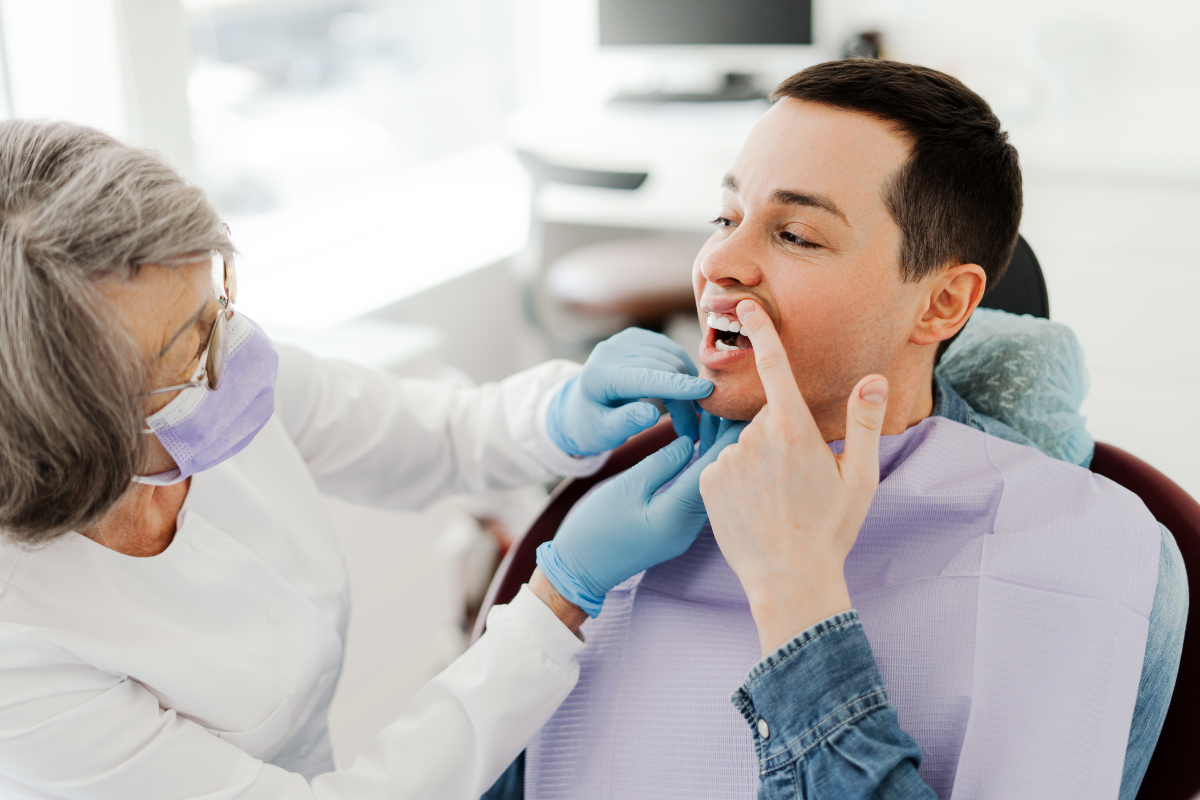
When this congestion becomes a long-term habit, the effects on jaw and tooth development can become significant. A qualified orthodontist can identify signs of mouth breathing during a routine exam, even before visible dental problems appear.
Signs That Breathing May Be Affecting Development
It is not always obvious that breathing is causing dental issues. Here are some signs to look for in both children and adults:
Mouth hanging open, especially during sleep Dry lips or dry mouth in the morning Crooked or crowded teeth Narrow upper jaw or high palate Dark circles under the eyes from disrupted sleep Snoring or restless sleep Frequent ear infections or sinus problems Slow or picky eating due to difficulty chewing and breathing at the same time
If you notice several of these signs, it is worth consulting with a dental or medical professional. An orthodontist near me search can help you find someone who is trained to assess jaw structure and breathing patterns together.
What Happens If It Goes Untreated
Leaving mouth breathing and allergy-related breathing issues untreated can lead to a chain of problems. Narrow jaw arches make it difficult for adult teeth to come in straight. Sleep quality suffers, which can affect a child’s ability to focus in school. Facial growth can become imbalanced, affecting both appearance and function.
In adults, the effects are often already set in place, but treatment can still improve breathing, sleep, and bite alignment. Early intervention in children gives the best results because the jaw is still growing and more responsive to gentle guidance.
How an Orthodontist Can Help
When most people think of orthodontic treatment, they think of straight teeth. But a trained orthodontist looks at much more than tooth alignment. They assess the jaw size, the bite, the position of the tongue, and the width of the upper arch, all of which are connected to how a person breathes.
For children with narrow jaws caused by mouth breathing, a palate expander is often recommended. This device gently widens the upper jaw over time, creating more space for teeth and improving the nasal airway in the process. In many cases, widening the palate can actually reduce nasal congestion because it opens up the space above it.
Myofunctional therapy is another tool some orthodontists work alongside. It focuses on retraining the tongue and lip muscles to support proper nasal breathing and tongue posture.
At Lighthouse Point Orthodontics, evaluations take into account the full picture of how a patient breathes, grows, and functions, not just how their teeth look.
The Role of Local Environment and Lifestyle
Living in South Florida means dealing with specific environmental factors that affect breathing health. The region has one of the highest rates of allergic rhinitis in the country. Many families in Broward and Palm Beach counties visit both allergists and dental specialists to manage the overlapping effects of chronic allergies on overall health.
Pediatricians in the area often refer patients to orthodontic specialists when they notice signs of facial growth concerns tied to chronic mouth breathing. A coordinated approach between a child’s medical doctor, allergist, and orthodontist leads to the best outcomes.
If you are a parent in the area and have been wondering whether your child’s teeth issues could be connected to their allergies or breathing habits, reaching out to a local provider is a practical first step. A quick search for an orthodontist near me can point you toward professionals who understand these connections.
Early Evaluation Makes a Difference
The American Association of Orthodontists recommends that children have their first orthodontic evaluation by age seven. At this stage, a provider can see whether the jaw is developing properly and whether breathing habits are already affecting growth. Early treatment does not always mean early braces. It often means monitoring, guidance, and simple interventions that prevent bigger problems later.
Adults can also benefit from evaluation, especially if they have always had sleep issues, narrow jaws, or persistent crowding that was never fully addressed. Working with a skilled orthodontist can uncover underlying causes and open the door to treatment options that go beyond simple tooth straightening.
Conclusion
The connection between allergies, breathing, and orthodontic development is real and well-documented. What looks like a simple snoring problem or seasonal congestion can quietly reshape the jaw and affect how teeth grow in. Catching these issues early, and treating them with the right team, leads to better results for both health and appearance.
If you or your child show signs of mouth breathing, chronic congestion, or crowded teeth, do not wait to get answers. Schedule a consultation with Lighthouse Point Orthodontics to get a full evaluation and understand what treatment options are available. Taking that step now can prevent years of more complex treatment down the road.
Frequently Asked Questions
1. Can allergies really affect how my child’s teeth grow in?
Yes. Chronic nasal congestion from allergies often leads to mouth breathing, which changes how the jaw develops and can cause crowded or misaligned teeth over time.
2. At what age should I bring my child in for an orthodontic evaluation?
The recommended age is seven. At this point, a provider can assess jaw development and identify any early signs of breathing-related growth issues.
3. What is a palate expander and how does it help with breathing?
A palate expander gradually widens the upper jaw. This creates more room for teeth and also opens up the nasal passage, which can reduce congestion and make nasal breathing easier.
4. How do I know if my child is a mouth breather?
Common signs include sleeping with the mouth open, waking up with dry lips, snoring, and having a consistently congested or stuffy nose.
5. Can adults be treated for issues caused by childhood mouth breathing?
Yes. While early treatment gives better results, adults can still benefit from orthodontic evaluation and treatment options that address jaw alignment, bite issues, and airway concerns.
6. Is it normal to search for an orthodontist for breathing concerns?
It is more common than many people realize. Orthodontists are trained to spot structural signs of airway and breathing problems during a standard exam.
7. Should I see an allergist or an orthodontist first?
If allergies are causing the breathing issues, addressing those with a doctor or allergist is a good first step. But an orthodontic evaluation can happen at the same time since both care providers work together for the best outcome.
8. How long does orthodontic treatment take for jaw development issues?
Treatment length depends on the age of the patient and the extent of the issue. Early intervention in children can sometimes be completed in less than a year. More complex cases may take longer.