954-719-7955
How Jaw Alignment Impacts Headaches, Speech, and Chewing?


Jaw alignment may not be the first aspect you consider when thinking about oral health. However, did you know that your jaw’s position plays a crucial role in everything from headaches to chewing and even how you speak? Sunny Pompano Beach, with its vibrant food scene and active lifestyle, requires a properly aligned jaw for aesthetics and overall well-being.
If you have persistent headaches, trouble chewing, or unclear speech, consider checking your jaw alignment. An orthodontist can help identify the underlying issues and guide you towards effective solutions. This post will explain how jaw alignment affects daily life and why addressing it early can prevent further complications.
Understanding Jaw Alignment and Its Impact
Jaw alignment refers to how your upper and lower teeth fit together when you close your mouth. When the teeth and jaw are properly aligned, it allows for smooth, efficient function. However, when the jaw is misaligned, it can lead to a variety of issues affecting your health and comfort.
- Headaches: Misalignment of the jaw can strain the muscles and joints around your head and neck, often leading to tension headaches. These headaches may feel like constant pressure or sharp pain near your temples or at the base of your skull.
- Speech Difficulties: A misaligned jaw can affect your ability to form words clearly. This can make it difficult to speak properly and be understood, as the jaw’s position impacts how the tongue moves.
- Chewing Problems: When the jaw isn’t aligned, it can lead to inefficient chewing. This can make it harder to break down food properly, leading to digestive issues and even further dental problems over time.
The Role of an Orthodontic Practitioner in Correcting Jaw Alignment
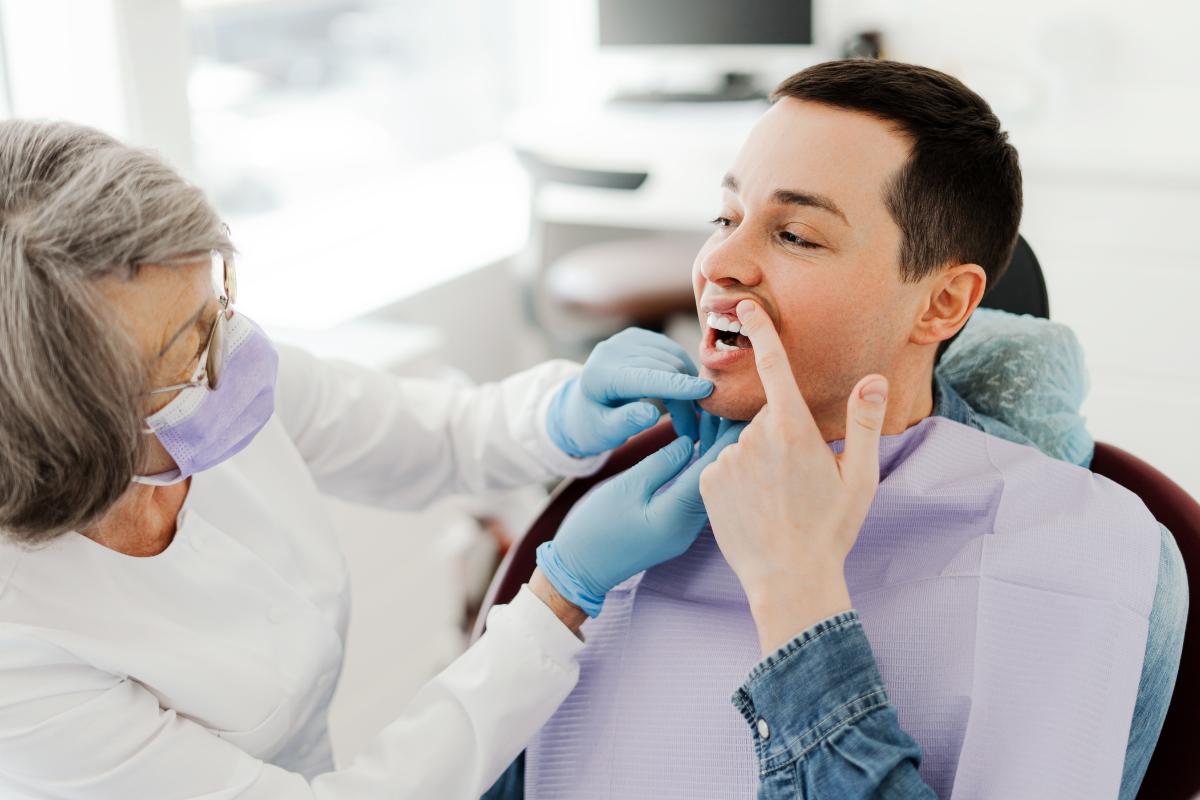
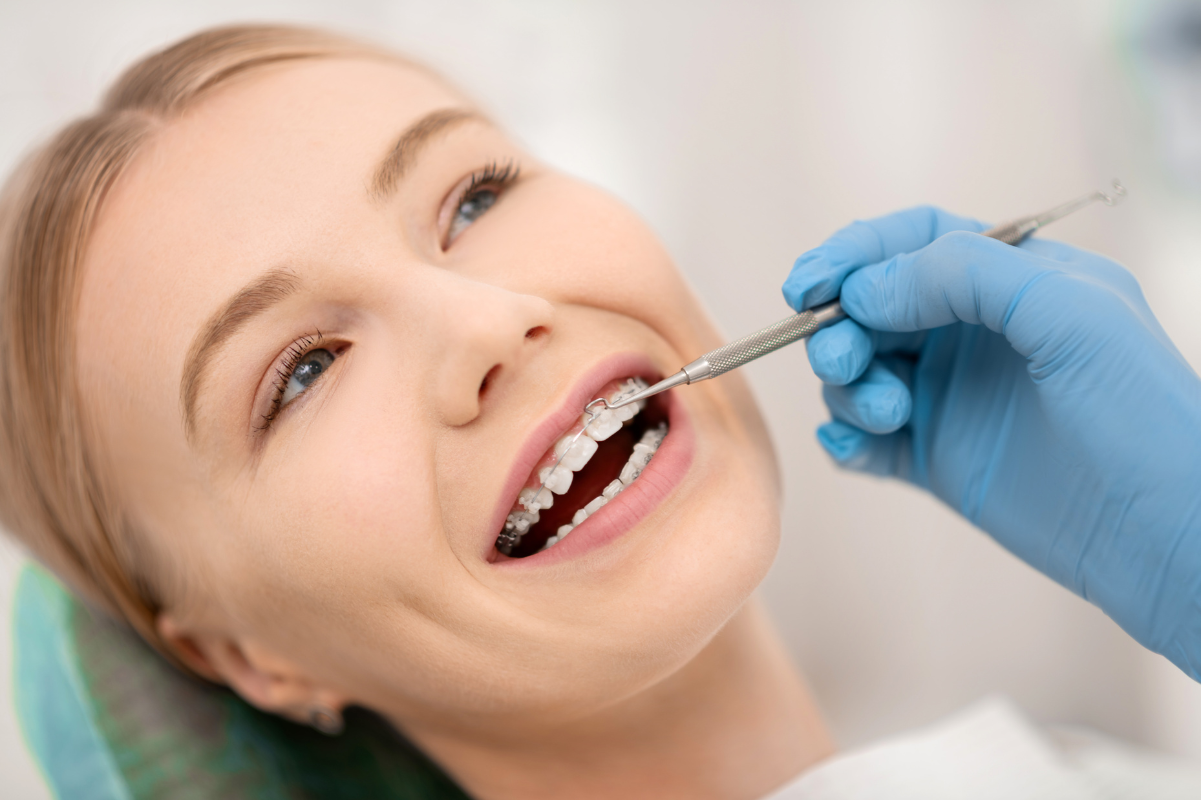
A professional specializes in diagnosing and treating jaw alignment issues. Using tools such as braces, clear aligners, and other appliances can realign the teeth and jaw to improve both function and appearance. Whether you live in Pompano Beach or nearby, searching for an “orthodontist near me” who can help you get started on the path to better health.
Your orthodontic practitioner will first perform a thorough examination, which may include X-rays and scans, to assess your jaw’s alignment. After determining the cause of your discomfort, they’ll recommend the best treatment options to fit your needs.
How Misaligned Jaws Affect People?
Living in this city means enjoying the beach, local eateries like How You Brewin’ Coffee Company, and outdoor activities year-round. But if you’re dealing with jaw issues, it can affect how you engage with these activities.
For example, imagine trying to enjoy fresh seafood at Oceanic at Pompano Beach Pier. Misalignment might make it painful or difficult to chew, leaving you less able to savor your meal. Similarly, if you’re out on the water or enjoying a beach volleyball game, you might notice that jaw tension or headaches keep you from fully enjoying your time. By addressing jaw alignment early with an orthodontist, you can improve your quality of life and get back to enjoying everything the city has to offer.
How to Know if Your Jaw Alignment is Causing Problems
Some common signs that your jaw alignment may be affecting your health include:
- Frequent headaches or migraines that don’t seem to have an obvious cause
- Difficulty chewing or discomfort when eating certain foods
- Pain or tenderness in the jaw, face, or neck
- Clicking or popping sounds when moving your jaw
- Difficulty speaking clearly or feeling like your tongue is restricted
If any of these symptoms sound familiar, it’s time to schedule an appointment with an orthodontic practitioner. Early intervention can prevent more severe problems in the future, such as chronic pain or more complex dental issues.
Treatment Options for Jaw Alignment
The good news is that jaw alignment problems can often be corrected. Your orthodontic practitioner will offer various treatments to address the issue based on the severity and specific needs of your case. Here are some common options:
- Braces: Traditional braces are still one of the most effective ways to realign the teeth and jaw. They work by applying gentle pressure over time, gradually shifting the teeth into their correct positions.
- Clear Aligners: For those who prefer a more discreet option, clear aligners like Invisalign can be an excellent choice. These custom-made trays gradually move the teeth without the need for brackets or wires.
- Physical Therapy: For some patients, physical therapy targeting the jaw muscles can help relieve tension and improve function.
Why It’s Important to Seek Treatment from a Professional?
If you’re experiencing any of the symptoms listed above, searching for an “orthodontist near me” should be your priority. Orthodontic care is tailored to your specific needs, ensuring that your treatment plan addresses your jaw’s unique alignment issues. A professional can provide you with both short-term relief and long-term results. It is so you can avoid further complications and live a healthier, more comfortable life.
Take the First Step Toward Better Health
If you’ve been experiencing jaw pain, headaches, or speech difficulties, it’s time to take action. Scheduling an appointment with an orthodontist is the first step toward improving your jaw alignment and overall quality of life. You don’t have to live with discomfort any longer; solutions are available. Book a quick consultation with a trusted professional today, and get started on your path to a healthier smile and pain-free living.
For more information on jaw alignment and related treatments, contact a local dental clinic to discuss your options and find the right solution.
Common FAQs
1. Can jaw misalignment cause headaches?
Yes, jaw misalignment can lead to muscle strain around the head and neck, which often results in tension headaches. These headaches can be persistent and uncomfortable, affecting your overall quality of life.
2. What are the symptoms of jaw misalignment?
Common symptoms include frequent headaches, jaw pain or tenderness, difficulty chewing, and problems with speaking clearly. If you notice any of these signs, it’s important to consult an orthodontic practitioner for proper diagnosis and treatment.
3. How does an orthodontist fix jaw alignment issues?
Orthodontic practitioners use various methods to correct jaw misalignment, such as braces, clear aligners, and jaw surgery. The treatment choice depends on the severity of the issue and the patient’s needs, ensuring the best outcome.
4. How long does it take to fix jaw alignment?
Treatment time varies depending on the severity of the misalignment. Braces and aligners typically take anywhere from several months to a couple of years, while surgery might require a longer recovery period and more time for full correction.
5. Can jaw misalignment affect my ability to speak?
Yes, jaw misalignment can restrict tongue movement, making it difficult to form words properly. This can lead to unclear speech, which may affect your communication and confidence in social situations.
6. Is jaw surgery always necessary for misalignment?
No, jaw surgery is typically reserved for severe misalignments that cannot be corrected with braces or clear aligners. Most cases can be treated effectively with orthodontic appliances, and surgery is a last resort.