954-719-7955
Role of Monitoring Your Braces is Essential for Effective Treatment


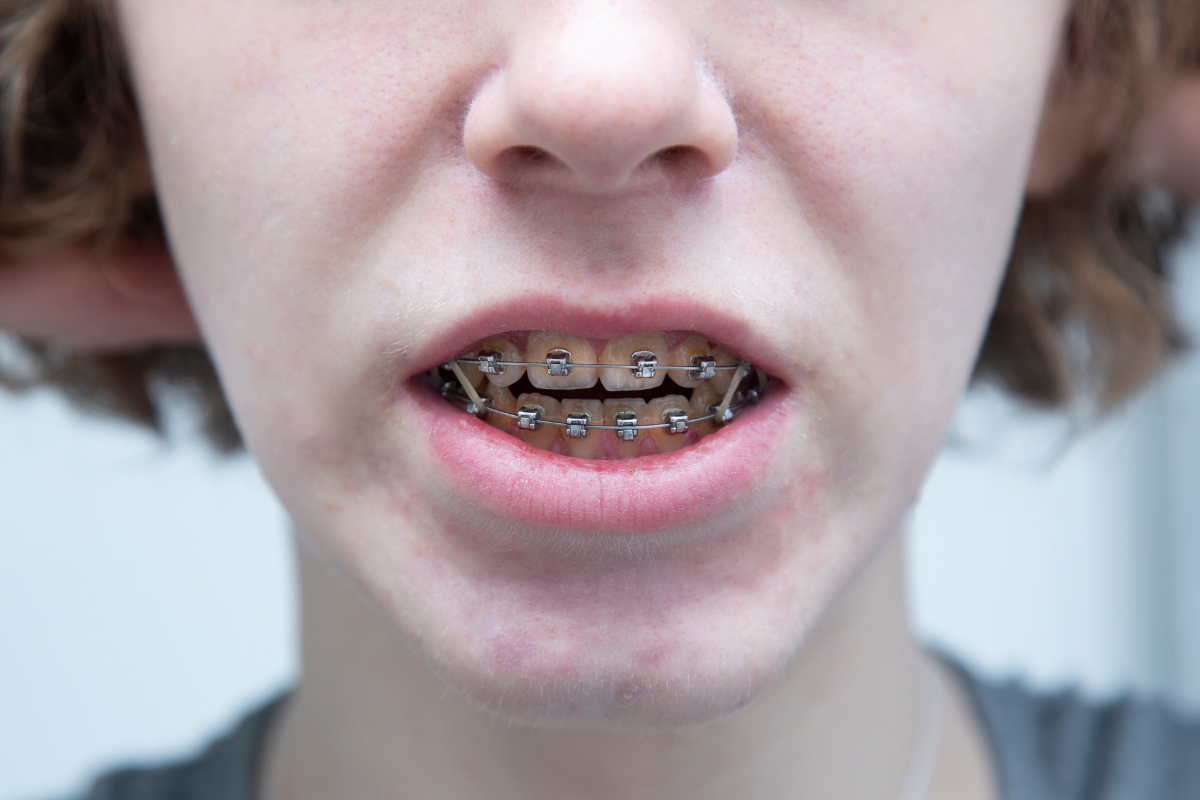
Braces are a crucial part of orthodontic care, helping straighten teeth and correct bite issues. While their application is an important first step, the real work begins once they are on. Proper monitoring and adjustment are essential to ensure that those brackets do their job and that patients achieve the desired results. In this article, we’ll explore the role of your orthodontist in monitoring and adjusting them throughout the treatment process. Explore all the things you need to know before getting braces.
The Importance of Monitoring and Adjusting Braces
Those brackets are not just a cosmetic solution; they are a long-term investment in dental health. Straightening teeth is gradual, and small, consistent adjustments must be made to avoid discomfort and ensure the best outcomes. As an orthodontist, it’s your responsibility to monitor the progress of the treatment closely.
If you are considering braces, regular adjustments are crucial for successful treatment. The teeth may not align properly without these adjustments, and the treatment could take longer than necessary. This is why it’s vital to have an experienced orthodontist near me who can guide you through the process. As the American Dental Association (ADA) recommended, orthodontic adjustments are essential to achieving optimal results.
The Regular Adjustment Schedule
Most patients with braces will need to visit their orthodontist every 4 to 6 weeks for adjustments. During these visits, the orthodontist checks how the teeth are moving and whether the braces need tightening or adjustments. These check-ups ensure that the teeth are being guided into the correct positions.
The Key Tasks During Each Visit
Here are the key tasks you will face during every visit:
Tightening the Braces:
The main task during each visit is tightening the wires. As the teeth begin to shift, the wires need to be adjusted to apply consistent pressure to guide the teeth into alignment.
Changing the Rubber Bands or Brackets:
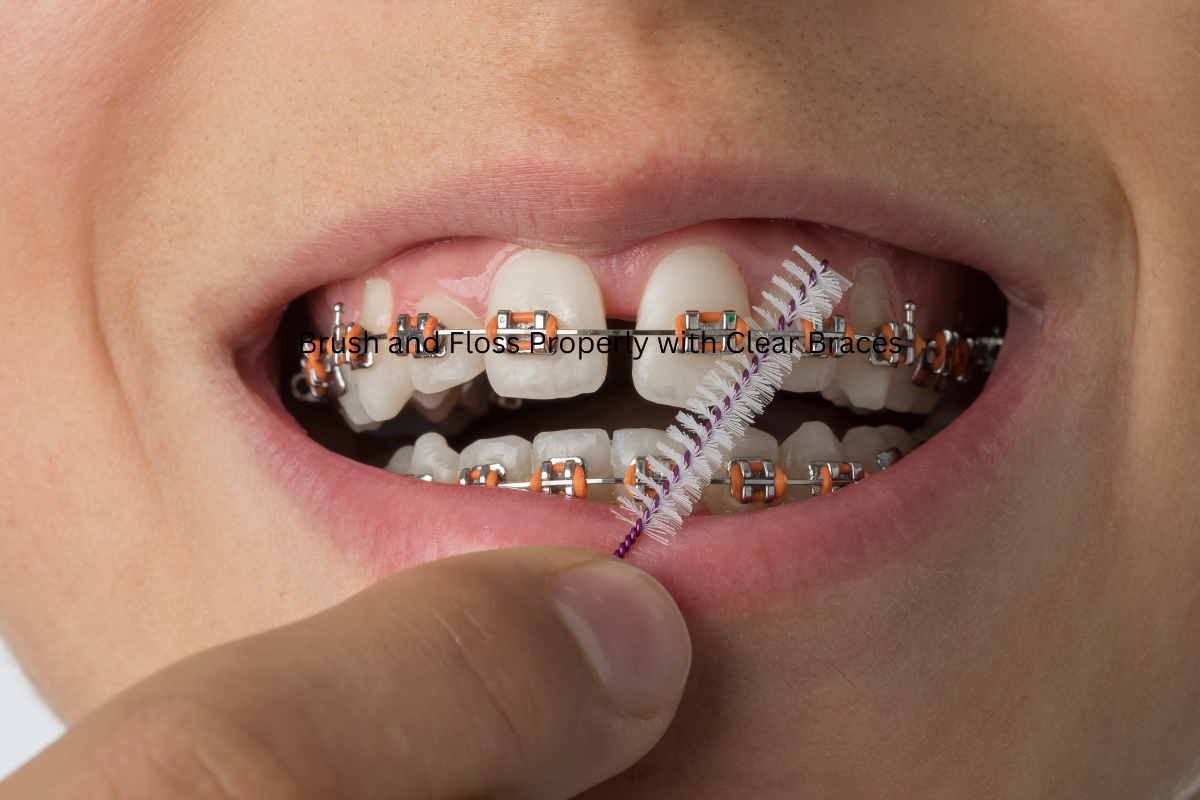
Some patients have elastics (rubber bands) or other components attached to their wires to help with bite correction. These need to be replaced regularly.
Checking for Issues:
Orthodontists also examine the brackets for any broken brackets or wires that could impede the treatment process. If something is damaged, it’s essential to get it fixed right away.
Monitoring Progress:
Each visit is an opportunity for the orthodontist to assess progress. Based on how the teeth have moved since the last visit, adjustments may be made to the treatment plan to ensure the most effective results.
How Your Orthodontist Ensures Comfort?
The goal of braces is to straighten teeth, but ensuring the patient’s comfort is equally important. Adjustments can cause some discomfort, especially immediately after tightening. A skilled orthodontist near me knows how to minimize pain and discomfort while ensuring the treatment is still effective.
Removing Braces and Retention
Your orthodontist will remove the braces once the teeth are in the correct position. However, this does not mark the end of the journey. A retainer is typically worn to prevent the teeth from shifting back to their original position. Retainers are a necessary part of the orthodontic process. Even after the braces are removed, regular follow-up visits may still be needed to monitor the use of the retainer and to ensure that the teeth stay in their new position.
When Should You Schedule an Appointment?
If you experience discomfort, notice that something feels off with your braces, or simply haven’t adjusted in a while, it’s time to schedule a visit to your orthodontist near me. Regular monitoring and timely adjustments are crucial to the success of your treatment. It’s always better to address issues before they become bigger problems.
Get Straight Teeth With Your Orthodontist
Regular adjustments ensure that your teeth gradually move into their correct positions, and your orthodontist ensures that your journey to a perfect smile is smooth and effective. If you are looking for braces, it’s essential to choose an orthodontist who can offer personalized care and stay on top of your treatment plan.
Book a quick consultation today and take the first step toward the smile you’ve always wanted. Contact your local dental clinic to schedule an appointment!
FAQs: Orthodontist
1. How often should I visit my orthodontist for adjustments?
Patients typically visit every 4 to 6 weeks for regular adjustments.
2. Does getting braces hurt?
It’s normal to experience mild discomfort after each adjustment, but it typically goes away within a few days.
3. Can I eat anything with braces?
Avoid sticky or hard foods to prevent damaging the braces. Your orthodontist will give you a list of foods to steer clear of.
4. What is the typical duration for wearing braces?
Braces treatment typically lasts 18 to 24 months, but the exact duration depends on the severity of the issues being treated.
5. Can braces fix bite issues as well as straighten teeth?
Yes, braces are effective for both straightening teeth and correcting bite issues such as overbite, underbite, and crossbite.
6. What happens after I get my braces off?
After braces are removed, you will need to wear a retainer to ensure your teeth stay in their new positions.